
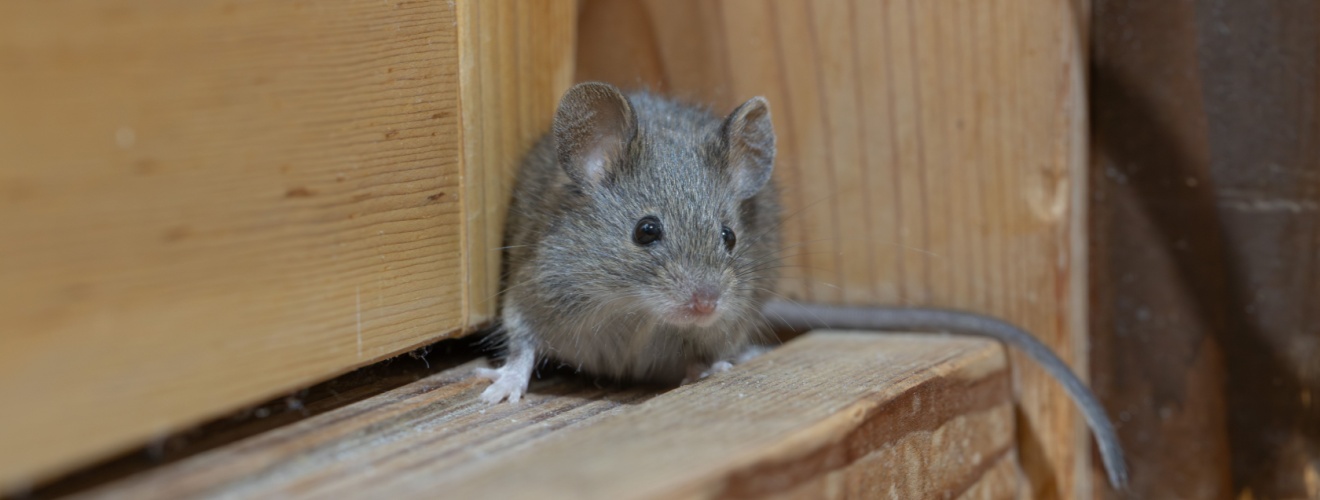
Many Orange County homeowners associate rodent problems with cold winter weather. Rats and mice often begin exploring homes much earlier, while afternoons still feel like summer. By the time scratching sounds come from the attic or droppings appear in the garage, rodents may have been using the property for weeks. Early rodent control in Orange County can address developing activity before animals establish nests inside the structure.
Rodent Season Can Begin in Late Summer
Orange County does not need freezing temperatures to trigger rodent movement. Rats and mice respond to changes in food, water, shelter, and their surrounding environment.
Natural vegetation begins drying during late summer. Water becomes less dependable in undeveloped areas. Fruit ripens in residential yards, outdoor dining continues, and irrigation systems keep landscaped neighborhoods green.
These conditions encourage rodents to move between natural spaces and residential properties. A home may offer several resources within a small area:
- Fruit trees and vegetable gardens
- Bird feeders and spilled seed
- Pet food left outside
- Pools, fountains, and irrigation leaks
- Thick shrubs and climbing vines
- Attics, garages, sheds, and patio covers
Orange County vector control guidance identifies food, water, and suitable shelter as the three basic conditions that allow roof rats to survive and thrive.
September: Rodents Begin Exploring the Property
The first stage of a rodent problem may happen entirely outdoors. Rats and mice investigate fences, trees, rooflines, garages, storage sheds, and landscaping.
Roof rats are skilled climbers. They can move through tree branches, vines, utility lines, fences, and patio structures. Mice are more likely to travel along foundations, beneath stored materials, and through low vegetation.
Homeowners may notice subtle signs during this stage:
- Partially eaten fruit still hanging on a tree
- Small droppings near outdoor storage
- Gnaw marks on irrigation lines or containers
- Movement along a fence after dark
- Rustling inside thick vegetation
- Disturbed trash or compost
- Pet food disappearing overnight
These signs show that rodents have found a reason to visit. Removing attractants early can prevent the property from becoming part of a regular feeding route.
October: Shelter Becomes More Important
As nights grow longer and temperatures become less consistent, protected shelter becomes increasingly valuable. Rodents may begin testing roof vents, garage doors, gaps beneath eaves, and openings around utility lines.
A rat does not need to move directly into the living area to create a problem. Attics, crawl spaces, wall voids, and garages provide enough protection for nesting.
Once inside, rodents can remain hidden. Most activity occurs after dark, when the home is quiet. A homeowner may not hear scratching until the animal has become comfortable with its route.
Rodents also leave scent markings that can guide repeated movement. A successful path from a tree to the roof may be used night after night.
Landscaping Gives Rodents Cover
Many Orange County properties have mature landscaping that remains dense throughout the year. Ivy, bougainvillea, oleander, palms, and thick ground cover can conceal rodents while they rest or travel.
Vegetation becomes especially helpful when it connects several parts of the property. A rat may move from a fence into a shrub, climb a branch, and reach the roof without spending much time in an exposed area.
Trim plants so that the ground can be seen beneath them. Remove vines from walls and keep branches away from the roof. Orange County vector guidance also recommends thinning heavily matted vegetation and keeping it separated from roofs, walls, fences, utility poles, and trees.
Removing every plant is unnecessary. Strategic trimming reduces shelter while preserving the appearance of the yard.
Fruit Trees Can Start the Problem Before Fall
Citrus, avocado, peach, plum, and other fruit trees can provide rodents with food and climbing access.
Fruit that remains on the tree too long becomes an easy meal. Fallen fruit offers the same benefit at ground level. Roof rats may hollow out fruit while it is still attached, leaving damaged portions behind.
Harvest produce as soon as it ripens. Pick up fallen fruit regularly and trim branches that extend over the roof or touch exterior walls.
Check beneath trees for droppings, feeding debris, and worn travel paths. Repeated evidence in the same area may show that rodents are nesting nearby.
Garages Often Become the First Indoor Stop
An attached garage offers shelter with less human activity than the main living area. Rodents can slip beneath a worn garage seal or enter through gaps in the corners of the door.
Once inside, they may find cardboard boxes, pet food, birdseed, grass seed, holiday decorations, and stored household supplies.
Food products should be moved into durable containers with secure lids. Reduce floor-level clutter and keep stored items organized so droppings and gnaw damage remain visible.
Check the garage door after dark while the interior lights are on. Daylight or light escaping around the edges may reveal gaps that need attention.
Rodents that enter a garage can follow plumbing, wiring, and wall cavities into the rest of the house. Evidence in this area should be handled before the activity spreads.
Roof Openings Deserve Attention Before Winter
Rodent entry points are often located above eye level. Damaged vent screens, roof intersections, loose fascia, soffit gaps, and openings around cables may go unnoticed during routine maintenance.
Inspect the roofline from the ground and look for:
- Loose or damaged vent covers
- Gaps beneath roof edges
- Rub marks near openings
- Droppings on exterior ledges
- Gnawed materials
- Branches touching the roof
- Openings where different building materials meet
Avoid sealing an active entry point without confirming whether rodents are already inside. Trapping an animal in the structure can lead to damage, odors, and attempts to create another exit.
Early Signs Inside the Home
Indoor rodent activity may begin quietly. Droppings are often found before a live animal is seen.
Look beneath sinks, behind appliances, inside pantry corners, and around the water heater. Check stored boxes for shredded paper, fabric, or insulation.
Other signs include greasy marks along walls, chewing sounds, unexplained pet behavior, damaged food packages, and a stale odor in enclosed areas.
One sighting deserves attention. Rodents are secretive and usually avoid open areas while people are present.
Start Prevention Before You Hear Scratching
Late summer and early fall are ideal times to make a property less attractive to rodents. Harvest fruit, bring pet food inside, repair leaks, trim vegetation, and inspect exterior openings.
Professional rodent management should address both the animals and the conditions supporting them. Saddleback Termite and Pest Control provides inspections, removal strategies, and exclusion recommendations for homes throughout Lake Forest and Orange County. When you notice early signs or want to prepare before rodents move indoors, contact Saddleback Termite and Pest Control for a free estimate.