
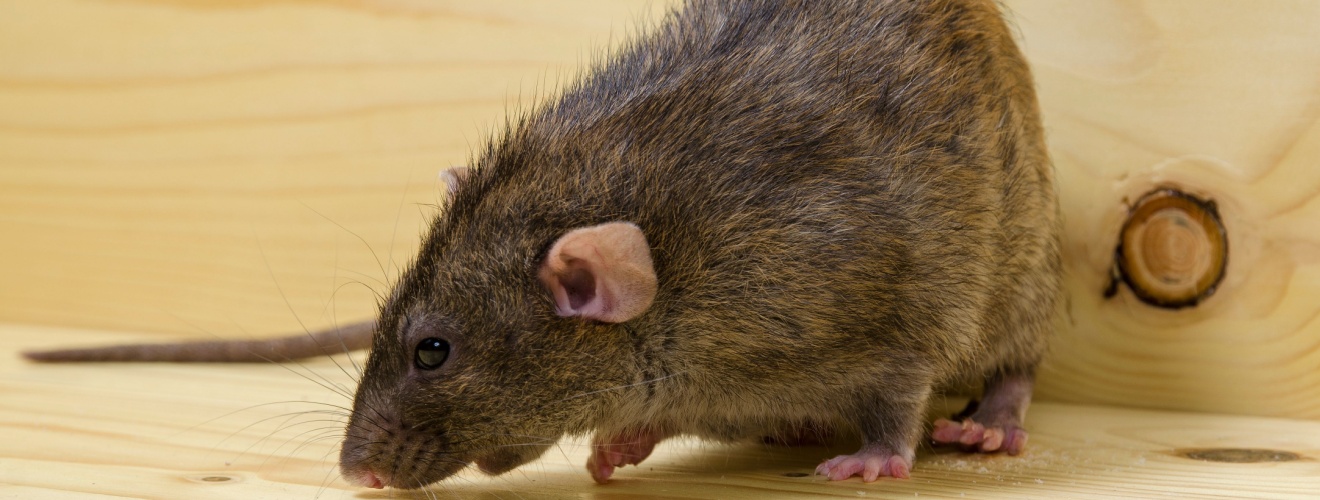
DIY rodent control promises convenience, but the reality is far less effective. Homeowners in Lake Forest often find that despite their efforts, rodents keep returning. The problem isn’t effort—it’s that DIY tools don’t address the full scope of an infestation. Professional solutions are built to tackle the problem at its source.
What makes rodents so difficult to manage is their ability to exploit hidden vulnerabilities. They squeeze through openings no wider than a dime, nest in attics and crawl spaces, and adapt quickly to changes in their environment. These behaviors make them far more resilient than most store‑bought products can handle.
That’s why infestations in Lake Forest homes often feel like a cycle: traps catch a few, but the colony remains, growing and spreading behind the scenes. To break that cycle, it’s important to understand the specific reasons DIY methods fail—and how professional rodent control provides a more complete solution.
Store‑Bought Products Have Limitations
DIY kits often rely on bait stations, glue traps, or ultrasonic devices marketed as quick fixes. While these products may reduce activity temporarily, they rarely eliminate the colony. Rodents are cautious and can quickly learn to avoid traps or adapt to deterrents.
Another limitation is that these products are designed for general use, not tailored to the specific conditions of your home. A bait station placed in the wrong area or a trap sized incorrectly for the species present will have little impact.
Store‑bought products also fail to address the underlying causes of infestations. Without sealing entry points or removing attractants, rodents simply return. This leaves homeowners stuck in a cycle of repeated purchases, wasted money, and growing frustration.
Traps Are Often Placed Incorrectly
Rodents follow predictable travel paths, usually along walls, behind appliances, and through concealed spaces. DIY traps are often placed in open areas where rodents rarely venture, making them ineffective.
Even when traps are set near activity, homeowners may not use enough of them to match the scale of the infestation. A few traps scattered around the house cannot compete with a colony that reproduces rapidly.
Professionals, by contrast, know how to read signs of rodent behavior—droppings, grease marks, gnawing patterns—and place traps strategically where rodents are most active. This precision dramatically increases success rates compared to DIY placement.
Hidden Entry Points Go Unnoticed
Rodents exploit tiny openings in siding, vents, crawl spaces, and attics. These hidden rodent entry points in homes are difficult to spot without training. DIY methods often focus on catching rodents indoors but fail to stop new ones from entering.
Entry points can be as small as a dime, and rodents are skilled at finding them. Without sealing these vulnerabilities, infestations continue no matter how many traps are set.
Professionals conduct thorough inspections, identifying and sealing entry points to prevent re‑entry. This step is critical for long‑term control and is rarely achieved through DIY efforts.
Sanitation Issues Persist
Rodents are opportunistic feeders, thriving on crumbs, pet food, and unsecured garbage. Even if traps are set, these attractants keep drawing rodents back. DIY methods often overlook sanitation, focusing only on removal rather than prevention.
A single unsealed pantry item or forgotten snack can sustain rodents for weeks. This makes DIY trapping efforts ineffective, as the food sources remain untouched.
Professionals not only eliminate rodents but also provide guidance on sanitation practices—such as securing food, managing waste, and reducing clutter—that make homes less attractive to pests.
Species Differences Are Ignored
Mice and rats require different strategies. DIY approaches often treat them the same, leading to ineffective results. For example, rats are larger, more cautious, and harder to trap than mice, requiring different baiting techniques and trap sizes.
Using the wrong product for the species present can render DIY efforts useless. A trap designed for mice may not catch rats, and bait that appeals to one species may be ignored by another.
Professionals identify the species first, then tailor solutions accordingly. This ensures treatments are effective and prevents infestations from recurring.
Infestations Are Larger Than They Appear
Homeowners often underestimate the scale of rodent problems. Seeing one or two rodents may seem minor, but colonies can number in the dozens. By the time activity is noticed, the population may already be well established.
Rodents reproduce quickly, with mice capable of producing litters every few weeks. DIY methods rarely account for this rapid growth, allowing infestations to expand faster than traps can catch them.
Professionals address the colony as a whole, using strategies that eliminate both visible rodents and those nesting out of sight. This comprehensive approach prevents infestations from spiraling out of control.
DIY Traps vs. Professional Rodent Control
The difference between DIY traps and professional rodent control isn’t just equipment—it’s expertise. Licensed technicians understand rodent behavior, nesting habits, and travel patterns. They design long‑term rodent control solutions that eliminate infestations at the root.
Here’s how that difference plays out in real homes:
- Trap placement: Homeowners often set traps in open areas like kitchens, but rodents usually travel along hidden paths in attics, crawl spaces, or behind walls. Professionals read the signs—droppings, grease marks, gnawing patterns—and place traps exactly where rodents are most active.
- Entry point sealing: DIY efforts focus on catching rodents indoors. Professionals go further, inspecting vents, crawl spaces, and siding for dime‑sized gaps and sealing them with durable materials to stop new infestations before they start.
- Species‑specific strategies: Mice and rats behave differently, yet DIY methods often treat them the same. Professionals adjust bait types, trap sizes, and placement depending on whether they’re dealing with house mice, roof rats, or Norway rats.
- Population control: A few DIY traps might catch one or two rodents, but colonies reproduce quickly. Professionals assess the scale of the infestation and apply integrated methods that target the entire population.
- Safety considerations: Store‑bought baits can be misused, creating risks for pets or children. Professionals use regulated products and apply them strategically to maximize effectiveness while minimizing hazards.
- Follow‑up monitoring: DIY usually ends once the trap is set. Professionals return for follow‑up visits, checking for new activity and reinforcing barriers to keep homes rodent‑free over time.
Quick fixes often stop at surface results. Expert rodent control digs deeper, addressing entry points, species behavior, and long‑term prevention so infestations don’t resurface.
How Pest Control Experts Keep Rodents Out
Rodent infestations in Lake Forest, CA, are tied to the region’s climate and neighborhood layouts. DIY methods rarely account for these local factors. Professionals, however, bring both technical skill and regional knowledge. They know where rodents are most likely to enter, how they move through homes, and what strategies work best in Southern California environments.
Homeowners who turn to expert help gain more than immediate relief—they secure confidence that their property is safeguarded against recurring infestations. Professional rodent control doesn’t just address the visible problem; it identifies hidden entry points, applies targeted treatments, and establishes preventive measures that keep rodents from returning. With this comprehensive approach, families in Lake Forest can enjoy peace of mind knowing their homes remain protected today, tomorrow, and well into the future.
Creating Environments Rodents Can’t Exploit
Rodent management isn’t simply about catching what’s visible—it’s about changing the conditions that make infestations possible. Identifying vulnerabilities, understanding how rodents adapt to local surroundings, and applying preventive measures like sealing and sanitation are key steps. Families who embrace proactive solutions gain peace of mind and a stronger sense of security in their living spaces.
When quick fixes aren’t enough, contact Saddleback Termite & Pest Control. With local knowledge and specialized strategies—comprehensive inspections, exclusion techniques, and customized treatments—rodents are eliminated and prevented from returning.