
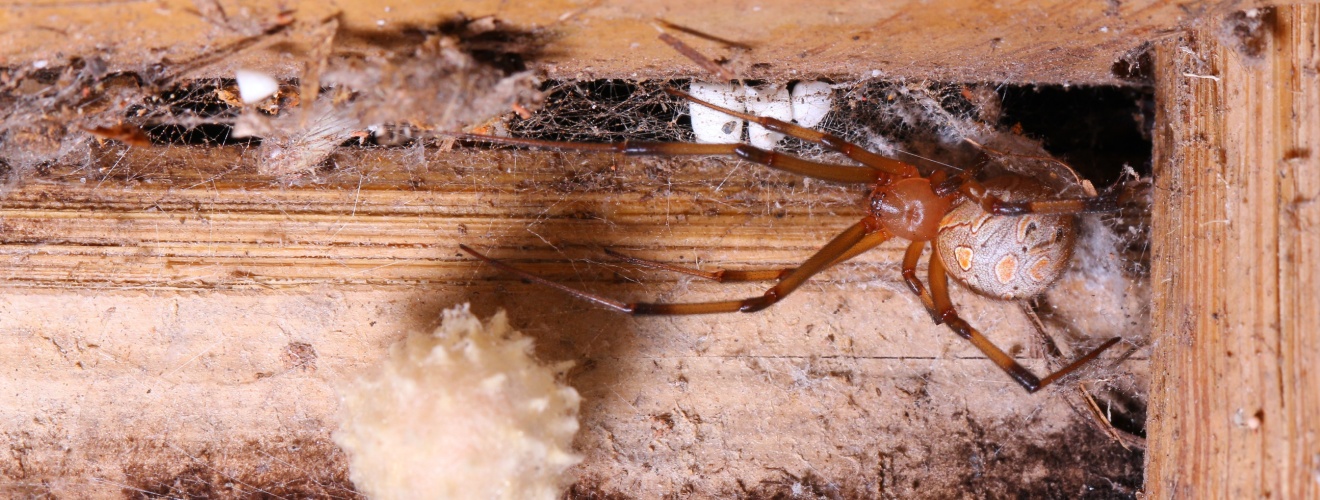
Homeowners across Orange County are noticing more webs and more spiders than usual this season. Professional spider control Orange County services are seeing increased demand because local conditions are aligning to create the perfect storm for arachnid activity indoors. Here are the main reasons behind the surge.
1. The Insect Boom Creates a Buffet
Spiders are predators, and their movements are dictated by food availability. As spring transitions into summer, insect populations in Orange County rise sharply. Mosquitoes breed in backyard ponds and birdbaths, ants invade kitchens, and moths gather around porch lights. This sudden abundance of prey draws spiders closer to homes, where they can hunt with minimal effort.
What makes this particularly noticeable is how suburban environments amplify the effect. Outdoor lighting, lush landscaping, and even pet food bowls left outside attract insects in droves. Spiders follow the trail, setting up webs near entryways, garages, and patios. For homeowners, this means that the more insects you see around your property, the more likely spiders are to move in as well.
2. Microclimates Inside Homes
Orange County’s unique geography creates sharp contrasts between coastal humidity and inland heat. Spiders exploit these microclimates by slipping indoors where conditions are more stable. Bathrooms with lingering steam, garages that trap warmth, and shaded attics all mimic the environments spiders prefer. This explains why seasonal spider activity Orange County often peaks inside homes rather than outdoors.
These microclimates don’t just attract spiders—they also sustain them. A garage that stays warm at night or a bathroom with consistent moisture provides the perfect balance of shelter and humidity. Once spiders discover these spaces, they’re more likely to stay, breed, and expand their presence throughout the home.
3. Architecture That Invites Them In
Orange County homes often feature stucco walls, tile roofs, and decorative landscaping—all of which unintentionally create spider entry points. Tiny gaps around rooflines, vents, and foundation cracks act like open doors. Even well‑maintained homes can have small vulnerabilities that spiders exploit. When homeowners ask, “why are there so many spiders in my house,” the answer often lies in these overlooked architectural details.
Landscaping adds another layer of attraction. Dense shrubs, ivy, and ornamental plants provide outdoor shelter that connects directly to the home’s exterior. Spiders nesting in these areas can easily move indoors through cracks or gaps. The combination of architectural design and landscaping makes Orange County homes particularly inviting to arachnids.
4. Hidden Breeding Zones
Spiders multiply quickly when they find undisturbed areas. Cardboard boxes in garages, cluttered storage closets, and attic insulation all serve as breeding grounds. Egg sacs tucked away in these spaces can hatch dozens of young spiders, leading to sudden infestations that feel overwhelming.
What makes these breeding zones especially problematic is how easily they go unnoticed. Homeowners may not realize that a single egg sac can produce a large population in a matter of weeks. By the time spiders begin appearing in living spaces, the infestation is already well established. This is why cluttered or rarely accessed areas often become the starting point for spider problems.
Signs You’re Hosting More Than a Few
Spiders rarely announce themselves outright—they leave subtle clues that, when pieced together, reveal a larger infestation. Here are the signs that go beyond the obvious and point to a growing problem:
- Webs layered like scaffolding: A single strand is normal, but when you see multiple webs stacked in corners or stretched across furniture, it means spiders are actively building hunting zones and not just passing through.
- Egg sacs tucked in odd places: These silk bundles often hide in the folds of curtains, behind picture frames, or inside cardboard boxes. Each sac can release dozens of spiderlings, turning a minor issue into a sudden surge.
- Different “personalities” of spiders indoors: Spotting both ground‑hunters (like wolf spiders) and web‑builders (like house spiders) suggests your home is offering diverse habitats. That variety points to a deeper infestation.
- Garages and attics that feel “claimed”: Webs strung across storage bins or insulation aren’t just decoration; they signal spiders have chosen these areas as permanent breeding grounds.
- Insects disappearing oddly fast: If flies or mosquitoes vanish quicker than usual, spiders may be feeding actively nearby. A sudden drop in insect sightings can be a hidden indicator of spider predation.
- Webs around vents and entryways: These aren’t random placements. Spiders build here to intercept insects entering your home, showing they’ve mapped your property’s traffic patterns.
- Clusters near outdoor lighting: Porch and patio lights act like insect magnets at night. When webs appear around these fixtures, it’s proof spiders are capitalizing on the nightly buffet right outside your door.
The Cycle of Comfort and Safety
Spiders remain in homes because the environment gives them exactly what they need: predictability. Indoors, they’re shielded from predators, buffered from sudden weather changes, and surrounded by reliable hiding spots. A quiet attic corner, the space behind stored boxes, or even the gap beneath furniture becomes a long-term base where webs can be rebuilt again and again. Once these conditions are established, spiders don’t just visit—they embed themselves into the rhythm of the household.
Breaking that cycle means changing the equation so your home no longer feels like a sanctuary for them. Saddleback Termite & Pest Control helps homeowners do just that. With treatments designed for Orange County’s climate and architecture, our licensed technicians eliminate infestations while addressing the conditions that allow spiders to thrive. If you’re ready to stop wondering why spiders are everywhere and start eliminating them, reach out to Saddleback Termite & Pest Control today for expert pest control that breaks the cycle of infestations.