
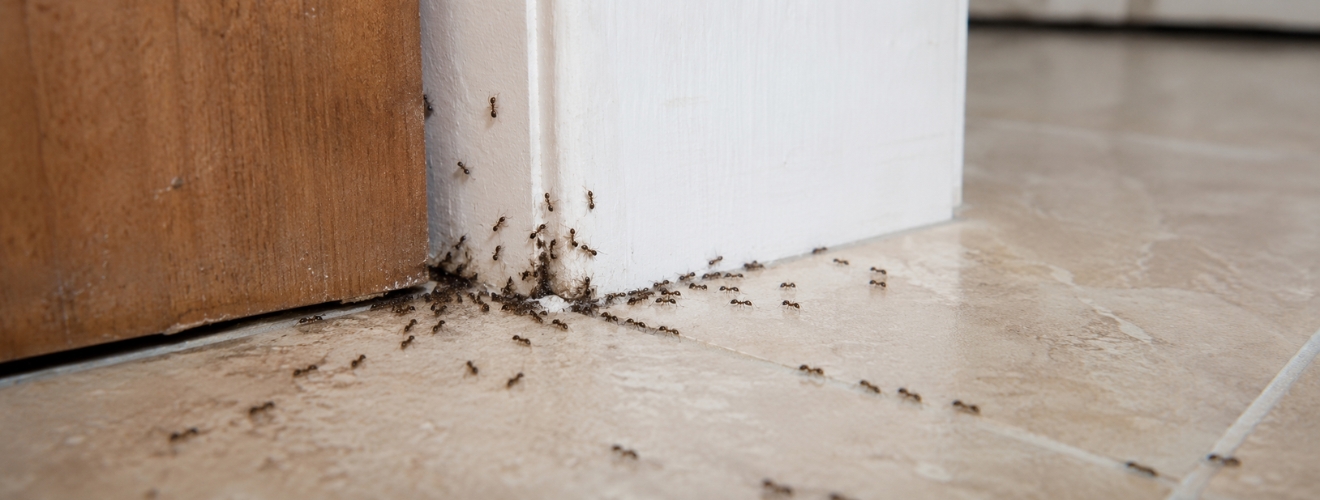
Ant activity often reaches its peak in Lake Forest during the summer. Long stretches of warm weather allow colonies to grow, while dry conditions send workers searching for dependable sources of food and moisture. Once ants find those resources inside a home, they can establish trails that return day after day. Professional ant control in Lake Forest can identify the species, locate contributing conditions, and address colonies that continue sending ants indoors.
Warm Weather Expands Ant Colonies
Ants depend on outside temperatures to regulate their activity. Warm summer conditions allow workers to forage for longer periods each day. Colonies also have more time to grow, produce new workers, and establish satellite nesting areas.
This increase may appear sudden to homeowners. A few ants around a patio door can become a steady kitchen trail within days. The visible ants represent only a small portion of the colony. Most remain protected inside soil, landscaping, walls, or other concealed spaces.
Lake Forest’s long warm season gives colonies an extended opportunity to develop. Ant activity may begin in spring and remain strong well into fall, especially around homes with dependable water and food.
Dry Conditions Push Ants Toward Water
Southern California summers often bring extended dry periods. Ants that previously found moisture in soil or vegetation may begin exploring irrigated landscaping, plumbing areas, kitchens, and bathrooms.
A small amount of water can support repeated activity. Ants may gather around:
- Kitchen and bathroom sinks
- Dishwasher connections
- Pet water bowls
- Refrigerator drip pans
- Air-conditioning condensation
- Leaking irrigation equipment
- Damp mulch and planter beds
- Outdoor faucets
Homeowners sometimes clean an ant trail without realizing that a moisture problem is keeping the colony nearby. Repairing leaks and drying damp areas can make the property less attractive, but an established infestation may still require treatment.
Argentine Ants Create Large Connected Colonies
Argentine ants are among the most persistent ants found around Southern California homes. They are small, fast-moving ants that commonly form visible trails along walls, counters, foundations, and landscape borders.
Their colonies can contain multiple queens and many interconnected nesting sites. Treating one visible section may have little effect on the broader population. Workers may simply redirect the trail or emerge from another area.
Argentine ants also move their nests in response to heat, moisture, and environmental changes. A colony nesting in soil during moderate weather may shift closer to irrigated landscaping or the structure during summer.
These ants commonly enter through narrow gaps around doors, windows, utility lines, and foundations. Their size allows them to use openings that are easy to overlook.
Irrigated Landscaping Creates Ideal Conditions
Lake Forest neighborhoods often include maintained lawns, shrubs, flowering plants, ground cover, and decorative planter beds. Regular irrigation keeps these areas green through the dry season, but it also creates reliable moisture for ants.
Mulch helps soil retain water and provides protection from intense sunlight. Dense vegetation shades the ground and creates additional shelter. Irrigation valves and utility boxes can hold moisture beneath their covers.
Ant colonies established in landscaping may be only a few feet from the home. Workers can follow foundations, pipes, branches, fences, and landscape edging until they locate an opening.
Plants that touch siding or rooflines can provide direct access. Trimming vegetation away from the structure makes these routes more difficult to use and improves visibility during inspections.
Summer Food Sources Are Easy to Find
Summer routines can create extra food opportunities for ants. Backyard meals, children’s snacks, pet food, outdoor trash, and ripe fruit all provide energy for growing colonies.
Ants can locate very small amounts of food. A few crumbs beneath an appliance or residue inside a recycling container may be enough to maintain a trail.
Sweet substances often attract ants first, but their preferences can change according to the colony’s needs. They may seek sugar during one part of the season and protein or grease during another. This shifting behavior can make store-bought baits inconsistent.
Food should be stored in sealed containers. Counters, floors, and outdoor eating areas should be cleaned regularly. Trash and recycling containers also need tight-fitting lids and routine rinsing.
Why Ants Keep Returning After You Clean the Trail
Worker ants leave chemical trails that guide other workers to food and water. Wiping the visible ants away removes the immediate activity, but the trail may remain.
Ants can also reestablish their route when the colony continues to send out new workers. Household sprays may kill the ants they contact without affecting the nest. Some applications can scatter the colony and cause activity to appear in new locations.
A more effective approach considers the species, nest locations, travel patterns, and environmental conditions around the home. Treatment may need to include both interior activity and exterior colony pressure.
Common Entry Areas Around Lake Forest Homes
Ants often enter through gaps that homeowners do not recognize as pest entry points. Common routes include cracks in concrete, spaces around plumbing lines, worn weatherstripping, window frames, weep holes, and openings beneath siding.
Tree branches and shrubs can also help ants bypass ground-level barriers. Workers may travel along branches to reach windows, eaves, balconies, or rooflines.
Watch the direction of the trail rather than focusing only on the room where ants appear. Following the trail may reveal an opening near a doorframe, pipe, cabinet, or exterior wall.
Steps That Can Reduce Summer Ant Activity
A combination of sanitation, moisture control, landscaping maintenance, and exclusion can reduce the conditions that attract ants.
Start by repairing leaking faucets and irrigation equipment. Avoid overwatering planter beds beside the foundation. Trim plants away from exterior walls and remove accumulated leaves or debris.
Inside the home, wipe food preparation areas, store pantry products securely, and avoid leaving pet food out overnight. Seal visible cracks and replace damaged door sweeps or screens.
These steps support professional treatment and can help reduce future pressure. They may not eliminate a large colony that has already established multiple nesting areas around the property.
Summer ant problems can become frustrating when trails repeatedly return or spread to new rooms. Saddleback Termite and Pest Control has served homeowners throughout Lake Forest and Orange County since 2008. For help locating colonies and developing a treatment plan for your property, request a free pest control estimate from the local Saddleback team.