
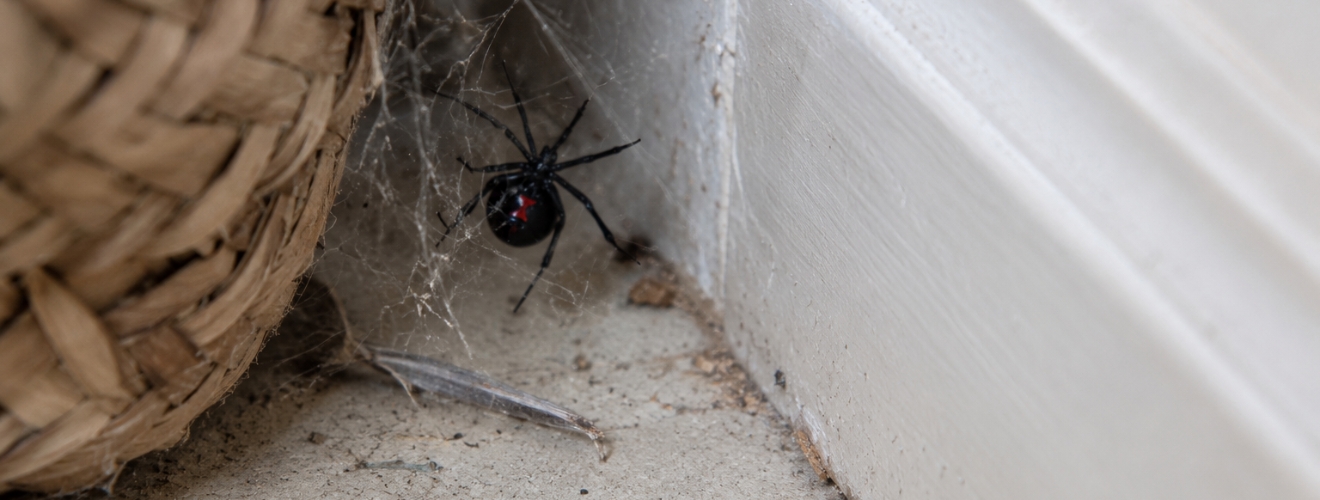
Have spider webs started appearing faster than you can remove them? Are spiders showing up around the patio, garage, windows, or ceiling corners more often than they did last year? Several conditions can cause a noticeable increase around a Lake Forest property. Targeted spider control in Lake Forest addresses current activity while also considering the insects and hiding places that keep attracting spiders.
Does Seeing More Spiders Mean There Is an Infestation?
Not always. A sudden increase can result from seasonal activity, weather conditions, nearby construction, landscaping changes, or a growing supply of insects. Some spiders wander while hunting. Others build webs in one location and remain there while food is available. Finding one spider does not necessarily indicate that spiders are reproducing throughout the house.
Repeated sightings in several rooms deserve closer attention. Egg sacs, numerous webs, and spiders of different sizes may indicate that they have been living and reproducing nearby. The location also matters. Spiders appearing in garages or patios may be coming from outside. Activity in closets, storage rooms, and undisturbed interior areas can point to indoor shelter.
Has the Insect Population Increased?
Spiders remain where they can find prey. More spiders often mean more flies, mosquitoes, moths, ants, crickets, or other small insects are present. Exterior lights can attract large numbers of flying insects after dark. Spiders quickly learn that eaves, light fixtures, doors, and windows provide productive places to build webs.
Irrigated landscaping can also support insects. Moist soil, thick vegetation, standing water, and flowering plants may increase the available food supply. Look beyond the webs. Ant trails, flying insects around lights, mosquitoes near plants, and crickets in the garage may explain why spiders continue returning.
Has Your Landscaping Become Denser?
Shrubs, vines, trees, and ground cover give spiders protected places to hunt and hide. Fast summer growth can bring branches into contact with walls, windows, fences, and rooflines. Those connections create easy routes toward the house. A spider can move from a shrub to the siding without crossing exposed ground.
Dense plants also reduce airflow and shade the soil. These conditions can support insects and give spiders a cooler location during hot weather. Trim vegetation away from the structure. Remove dead growth, accumulated leaves, and abandoned pots. Keeping a visible space between landscaping and siding improves inspection and reduces concealed travel routes.
Could Recent Weather Be Responsible?
Heat affects spiders and their prey. During very hot periods, some spiders move toward shade, garages, crawl spaces, and indoor areas where temperatures remain more stable. Dry conditions can also reduce outdoor insect activity in exposed locations. Irrigated yards then become concentrated sources of water and prey.
Changes may become especially noticeable after a heatwave, a rare summer rain, or a major shift in nighttime temperatures. Spiders that were previously spread across a wider area may gather around the most favorable properties. Weather does not need to remain unusual for long. A short event can disturb hiding places and trigger movement.
Is Construction Disturbing Nearby Habitat?
Lake Forest and surrounding Orange County communities continue to experience home renovations, landscaping projects, roadwork, and new development. Construction removes vegetation, shifts soil, and disrupts rocks, wood, debris, and other shelter. Spiders and insects displaced from those areas may move toward nearby homes.
A neighboring property can affect yours even when no work is happening in your own yard. Pest movement may increase temporarily as the disturbed area changes. Exterior prevention becomes especially important during these periods. Sealing openings and reducing insect activity can help prevent displaced pests from settling around the structure.
Are Outdoor Lights Drawing Spiders Closer?
Bright exterior lighting attracts moths, flies, mosquitoes, and other insects. Spiders often build webs near the light because prey arrives every night. Porch lights, landscape lighting, garage lights, and illuminated windows can all contribute. Fixtures mounted beneath eaves provide both food and shelter.
Turn off unnecessary lights when outdoor areas are not in use. Consider moving lighting away from doors and windows when practical. Keeping fixtures clean can also reduce the insects and webs gathering around them. Indoor light visible through windows may have a similar effect. Screens should fit securely so insects attracted to the window cannot enter.
Where Are the Spiders Appearing?
The location can help identify what is attracting them.
- Around doors and windows: Insects may be entering through worn screens, gaps, or weatherstripping.
- Near exterior lights: Flying insects are probably providing a steady food source.
- Inside the garage: Spiders may be following crickets, flies, and other pests attracted to stored items or open doors.
- Around patio furniture: Covered furniture and storage provide shaded hiding places.
- In bathrooms or laundry rooms: Moisture and small indoor insects may be present.
- In closets or storage areas: Low disturbance gives spiders time to build webs and lay egg sacs.
A pattern is more useful than a single sighting. Keep track of where activity repeatedly appears before removing every clue.
Should You Be Concerned About Venomous Spiders?
Most spiders found around homes cause little concern beyond webs and unwanted encounters. Orange County can also have widow spiders, including black widows and brown widows. Widows prefer sheltered, low-disturbance areas. They may build irregular webs beneath patio furniture, inside stored containers, around utility areas, in garages, and near outdoor equipment.
Avoid reaching into concealed spaces without looking. Wear gloves when moving firewood, boxes, planters, or outdoor storage. A professional can identify spiders when appearance, location, or repeated activity creates concern. Correct identification helps determine the appropriate response.
Why Web Removal Alone Does Not Solve the Problem
Removing webs immediately improves the appearance of a home. It can also remove egg sacs and discourage spiders from staying in one location. New webs will continue to appear when the property still offers abundant prey and shelter. Effective control includes reducing other insects, treating appropriate areas, trimming vegetation, and sealing entry points.
Outdoor storage should be organized and elevated when possible. Boxes inside garages should be kept closed. Cracks around doors, vents, pipes, and windows should be repaired. Regular maintenance is especially valuable around eaves and second-story areas that homeowners may not reach during routine cleaning.
A noticeable increase in spiders usually has an underlying cause. Saddleback Termite and Pest Control can inspect the property, identify active species, remove webs from accessible treatment areas, and address the pest conditions supporting them. For help reducing spider activity around your home, schedule a free estimate with Saddleback Termite and Pest Control.