
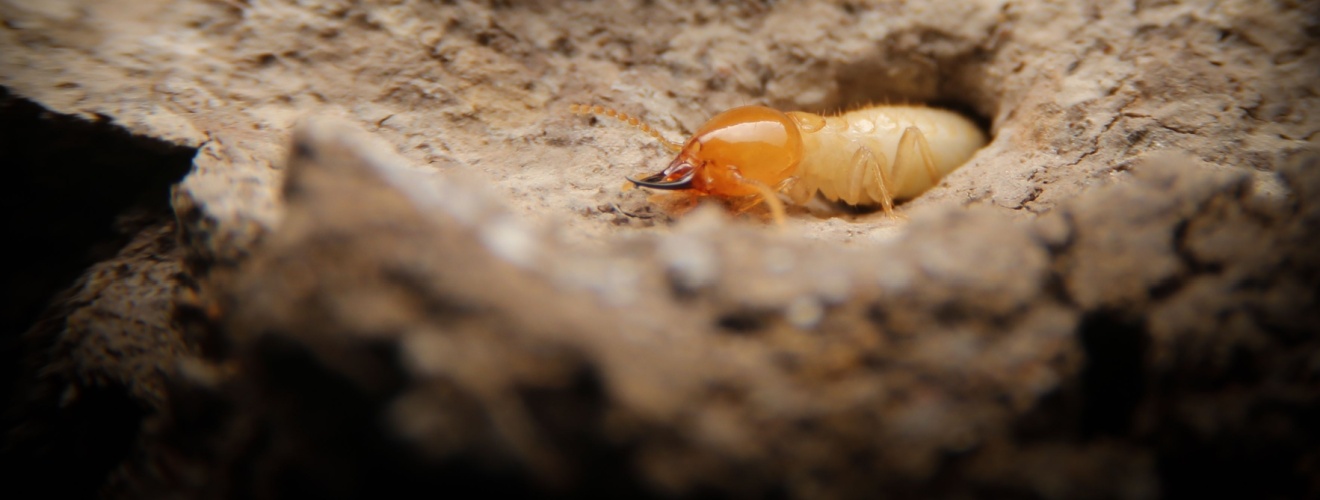
Drywood termites in Southern California don’t need much of an invitation to invade your home—they just need the right season. And in Orange County, that season arrives like clockwork, bringing with it a surge in termite activity that can quietly compromise your home’s structure. One of the most overlooked signs of seasonal pest pressure is the sudden appearance of winged insects near windows or light fixtures.
Unlike subterranean termites, drywood termites don’t rely on soil contact. They nest directly inside wood, making them especially stealthy and destructive. Their swarming season is your best chance to spot them before they settle in—and it’s also when homeowners are most vulnerable.
Termite Swarming Season in California: What to Expect
Swarming is how drywood termites reproduce and establish new colonies. In Orange County, swarming typically peaks from late summer through early fall, especially August through October. Warm temperatures, low rainfall, and high humidity create ideal conditions for swarmers to take flight.
Here’s what makes this period critical:
- Swarmers are visible: Unlike hidden colonies, swarmers emerge in daylight and are often seen near windows, doors, or light sources.
- Colonies are expanding: Swarming means termites are actively seeking new wood to infest.
- Infestations begin silently: Once swarmers land and shed their wings, they burrow into wood and begin nesting—often unnoticed until damage is done.
Swarming season is often the only time drywood termites reveal themselves before causing serious structural damage. Spotting swarmers early gives homeowners a rare opportunity to intervene before colonies become deeply embedded. That’s why understanding this seasonal behavior is essential for timely inspections and treatment.
How to Know If You Have Drywood Termites
Drywood termite infestation signs can be subtle, but knowing what to look for can save you thousands in repairs. Keep an eye out for:
- Discarded wings near windowsills or door frames
- Tiny piles of frass (termite droppings) that resemble sawdust
- Hollow-sounding wood when tapped
- Bubbling or uneven paint on wood surfaces
- Clicking sounds inside walls (yes, termites can be noisy)
- Cracked or distorted wood structures
- Swarmers flying indoors, especially during warm afternoons
If you notice any of these, it’s time to act fast. Termite inspection in Orange County is not just a precaution—it’s a necessity during peak season.
Do Termites Come Back Every Year?
Yes, and that’s the problem. Drywood termites are cyclical creatures. Even if you’ve treated your home before, new colonies can emerge annually. Without consistent monitoring and prevention, your home remains at risk year after year.
Swarming season is especially important because it signals the start of new colonies. Termites that survived previous treatments—or those migrating from nearby properties—can take advantage of untreated wood and favorable conditions to reestablish themselves. That’s why even homes with a history of termite control aren’t immune to future infestations.
Additionally, drywood termites are known for their slow, silent damage. A colony can remain active for years without being detected, especially in attics, crawl spaces, or behind walls. Annual inspections and preventive treatments are essential not just for catching new activity, but for ensuring that past infestations haven’t resurfaced or spread to other areas of the home.
Why Drywood Termites Are Harder to Detect Than You Think
Unlike subterranean termites that build visible mud tubes and rely on soil contact, drywood termites operate entirely within the wood they infest. That means no obvious trails, no soil disruption, and often no immediate signs of damage. They can live deep inside beams, furniture, or attic structures for years before their presence becomes noticeable. This hidden lifestyle makes them particularly dangerous for homeowners, as the infestation can grow silently until structural damage is significant.
Adding to the challenge, drywood termites don’t require high moisture levels to survive, so they’re just as comfortable in dry attic rafters as they are in window frames. Their colonies are smaller than those of subterranean termites, but they’re persistent—and often spread slowly across multiple areas of a home. Because of this, spot treatments or DIY solutions rarely eliminate the entire colony. Professional inspections and targeted treatments are essential for identifying the full scope of an infestation and ensuring long-term protection.
How to Prevent Termites in Orange County Homes
Termite prevention in Orange County homes starts with proactive care. Here are a few strategies to keep your property protected:
- Seal cracks and crevices in wood and around your home’s foundation
- Reduce moisture by fixing leaks and improving ventilation
- Store firewood and lumber away from your home
- Schedule regular inspections with a licensed pest control provider
- Use treated wood for construction and repairs
- Avoid mulch near your foundation
- Trim trees and shrubs to prevent wood-to-structure contact
These steps can help reduce the risk, but professional pest control Orange County termite specialists offer the most reliable protection.
Looking Ahead: Staying Vigilant Through Termite Season
Drywood termite season in Orange County isn’t just a passing concern—it’s a recurring challenge that homeowners need to anticipate. While August through October marks the peak of swarming activity, the truth is that termites don’t operate on a strict schedule. They thrive in warm, dry conditions and can quietly establish colonies long before visible signs appear.
Understanding the seasonal patterns of termite activity in Orange County gives you a crucial edge. It’s not about reacting to damage—it’s about preventing it altogether. Whether you’re a long-time resident or new to Southern California, staying informed and proactive is key to protecting your home’s integrity.
If you’ve noticed signs of termite activity or want to stay ahead of the season, don’t wait. Contact Saddleback Termite & Pest Control today to schedule your inspection and protect your home with trusted, local expertise.