
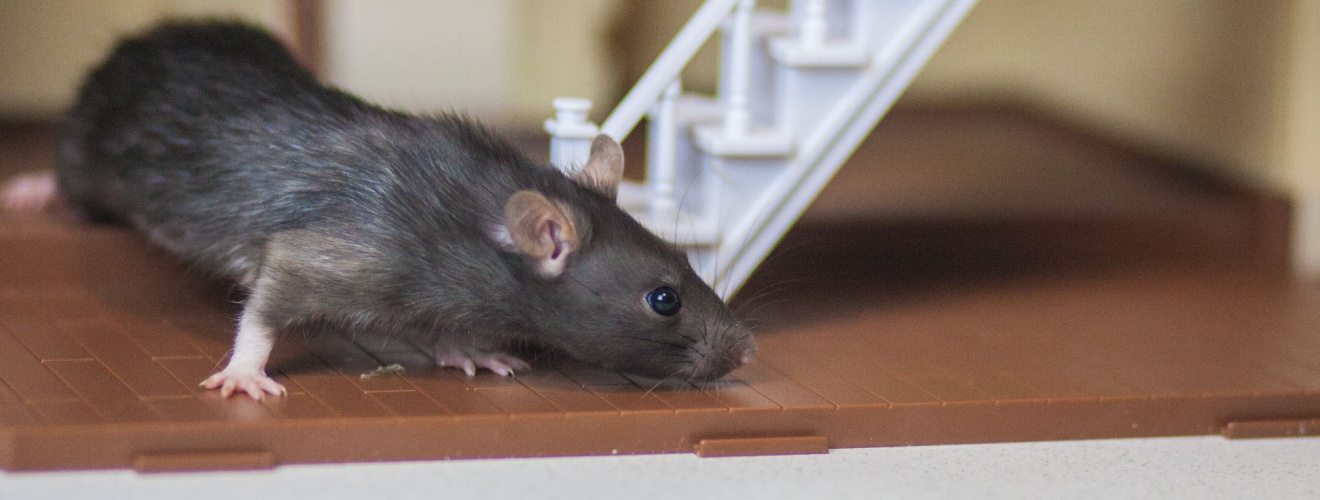
Your Irvine home’s exterior seems solid and secure, yet rodents still find their way inside. Understanding exactly where and how these persistent pests gain entry is essential for effective exclusion and prevention. Roof rats and house mice can squeeze through surprisingly small openings, and Irvine’s predominant architectural styles—particularly homes with tile roofs—create specific vulnerabilities that rodents readily exploit. Professional rodent control services include comprehensive inspection and sealing of every potential entry point, providing the complete protection DIY efforts rarely achieve.
Why Tile Roofs Create Rodent Entry Opportunities
Tile roofs dominate Irvine’s residential architecture, prized for their aesthetic appeal, durability, and ability to withstand Southern California’s climate. However, these beautiful roofs create numerous gaps and openings that provide easy rodent access to attics and upper-level living spaces.
Tile Edge Gaps
Clay and concrete tiles don’t seal flush against roof edges. The curved profile of barrel tiles and the overlapping design of flat tiles create gaps along eaves, rakes, and ridges. These spaces—often 1-2 inches wide—provide direct access underneath tiles. Roof rats easily slip through these openings and travel beneath the tiles to find entry points into the attic space below.
Standard tile roof installation doesn’t include comprehensive rodent-proofing. While bird stops may be installed in some locations, many tile roofs have extensive unprotected perimeter areas. Rodents quickly discover and exploit these vulnerabilities.
Ridge Cap Openings
Where two roof planes meet at the ridge, curved cap tiles cover the junction. The gap between the cap tile and the roof deck beneath creates a highway for rodent movement along the roofline. These ridge areas often span the entire length of the house, giving rodents extended access to explore for entry points into the attic.
Valley Intersections
Roof valleys where two sections meet create particularly complex areas where tiles transition and overlap. These intersections often have larger gaps than other roof areas. Rodents traveling beneath tiles congregate in valleys, using them as pathways to access different sections of the roof and finding multiple potential entry points.
Penetration Points
Tile roofs require multiple penetrations for plumbing vents, bathroom exhaust vents, attic vents, and roof-mounted equipment. The flashing and sealing around these penetrations sometimes leaves small gaps between the metal flashing and the surrounding tiles or roof deck. Rodents find these gaps and exploit them to enter attic spaces.
Foundation and Ground-Level Entry Points
While roof entry receives significant attention in Irvine homes, ground-level vulnerabilities also provide rodent access:
Weep Holes in Stucco
Stucco exteriors—another common feature of Irvine homes—require weep holes at the bottom to allow moisture drainage. These small openings, typically located near ground level, give mice direct access to wall cavities. Once inside walls, rodents travel vertically through the structure, accessing multiple levels and potentially reaching attics through interior pathways.
Foundation Cracks and Gaps
Even small cracks in concrete foundations provide entry for determined mice. House mice can squeeze through openings as small as 1/4 inch—roughly the diameter of a dime. As homes settle over time, small cracks develop at corners, around utility penetrations, and where different building materials meet. These cracks become rodent highways.
Utility Line Penetrations
Every home has multiple points where utility lines—electrical, gas, water, cable, phone—enter the structure. The openings drilled or cut for these penetrations are typically larger than the pipes or wires themselves, leaving gaps. If these gaps aren’t properly sealed with rodent-proof materials, they provide easy access.
Common utility penetration vulnerabilities include air conditioning line sets entering walls, dryer vents with damaged or missing flaps, cable TV and internet lines entering at ground level, gas lines entering near water heaters, and electrical conduit entering at meter locations.
Garage Doors
Garage door seals deteriorate over time, creating gaps at the bottom and sides. Even a 1/2 inch gap under a garage door provides sufficient space for mice to enter. Once in the garage, rodents find additional access points into the main house through interior doors, storage areas, or utility connections.
Why Professional Exclusion Matters
Identifying every potential rodent entry point requires trained eyes and systematic inspection. Professional rodent control technicians understand exactly where to look based on building construction, common failure points, and rodent behavior patterns. They inspect areas homeowners typically miss—high rooflines, hidden soffit details, concealed foundation sections, and interior wall access points.
More importantly, professional exclusion uses appropriate materials and methods. Hardware cloth secures vents and large openings. Expanding foam combined with steel wool seals smaller gaps. Sheet metal covers damaged wood. Door sweeps install properly to make complete contact. These professional-grade materials and proper installation techniques prevent rodents from chewing through or bypassing repairs.
Don’t let your tile roof’s beautiful appearance hide the rodent vulnerabilities underneath. Contact Saddleback Termite & Pest Control today for expert rodent exclusion that protects your Irvine home completely.