
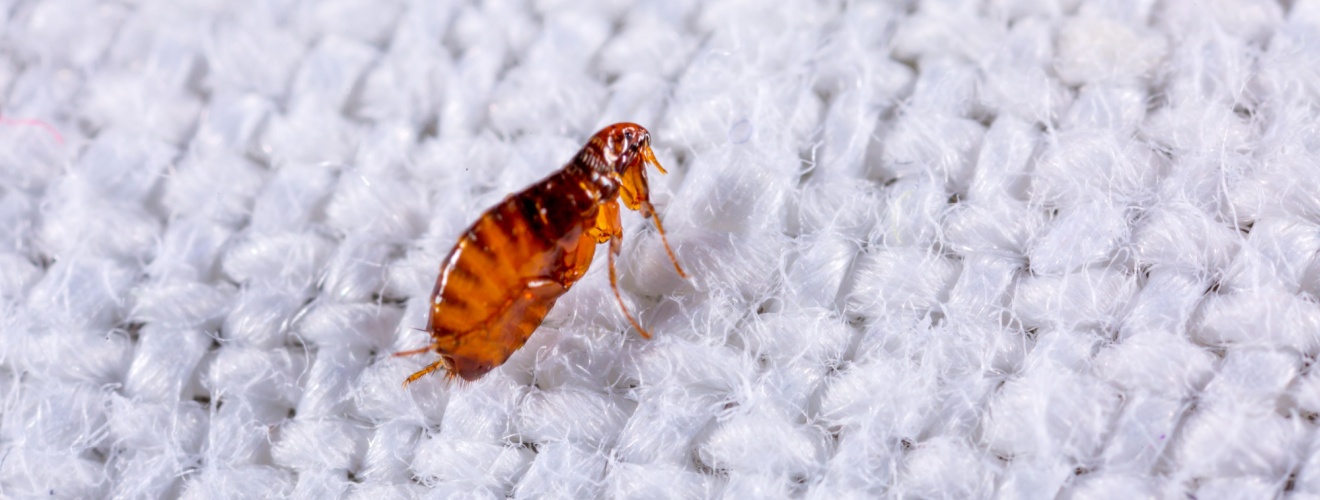
A comfortable home can sometimes conceal unwelcome guests, and in Orange County the warm climate gives fleas the perfect chance to thrive indoors year‑round. These pests don’t just stay on pets—they spread into carpets, furniture, and hidden corners, often multiplying unnoticed until the signs become impossible to ignore. By the time bites appear or pets begin scratching relentlessly, the infestation has already taken hold. Here are the most common places fleas hide in Orange County homes.
1. Carpets and Rugs
Carpets are one of the most overlooked breeding grounds for fleas. The dense fibers trap flea eggs, larvae, and pupae, creating a hidden ecosystem beneath the surface. Even when homeowners vacuum regularly, the suction often fails to reach deep enough to remove pests embedded at the base of the carpet. This makes carpets a long‑term refuge where fleas can continue their life cycle undisturbed, multiplying in silence until the problem becomes visible.
Wall‑to‑wall carpeting, area rugs, and even small mats near entryways can all harbor fleas. Because these surfaces are frequently walked on, vibrations encourage flea pupae to hatch, releasing new adults into the home. Without professional treatment, carpets can quickly become the central hub of an infestation, spreading fleas to pets, furniture, and bedding.
2. Furniture Upholstery
Soft furnishings like sofas, recliners, and cushioned chairs provide shaded crevices where fleas thrive. Upholstery fabric traps warmth and moisture, creating an ideal environment for fleas to feed and reproduce. Since pets often nap on furniture, fleas are easily transferred from fur to fabric, embedding themselves deep within seams and cushions where they remain hidden from plain sight.
The challenge with upholstered furniture is that fleas can remain concealed for weeks. Eggs and larvae settle into folds and cracks, making them difficult to detect until the infestation is widespread. Spot cleaning or vacuuming may reduce numbers temporarily, but without targeted treatment, fleas will continue to reappear, frustrating homeowners who believe they’ve solved the issue.
3. Pet Bedding
Pet bedding is one of the most concentrated flea hotspots in any home. Because pets spend hours resting in the same spot, fleas have constant access to a food source. Eggs and larvae accumulate in bedding fibers, creating a cycle of reinfestation even after pets are treated. This makes bedding a critical area to address when tackling flea problems.
Washing bedding in hot water can help, but it rarely eliminates the problem entirely. Fleas can survive in seams, stuffing, or nearby flooring. Without addressing both the bedding and surrounding areas, infestations return quickly, leaving homeowners puzzled about why fleas keep coming back despite repeated cleaning efforts.
4. Curtains and Fabric
Curtains, drapes, and fabric covers are often overlooked during flea control efforts. Fleas cling to folds and seams, using the fabric as shelter from light and movement. Because curtains are rarely washed, they become long‑term hiding spots where fleas can remain unnoticed.
Infestations in curtains often spread to nearby furniture or carpet, creating a chain reaction throughout the room. Homeowners may not realize that fleas are hiding in these vertical surfaces, which makes detection even harder. Professional inspections often reveal curtain infestations as a hidden contributor to recurring flea problems.
5. Cracks in Flooring
Hardwood, tile, and even laminate flooring often contain tiny gaps that act as hidden reservoirs for fleas. Eggs can fall into these cracks and hatch later, restarting the infestation cycle even after surface cleaning. Because these spaces are shielded from light and movement, fleas remain protected from vacuuming and mopping. Over time, these overlooked crevices become breeding grounds that allow populations to rebound, frustrating homeowners who believe they’ve eliminated the problem.
The difficulty lies in how persistent these cracks are as hiding spots. Flea larvae feed on organic debris that collects in gaps, while pupae remain dormant until vibrations from foot traffic trigger them to emerge. This means infestations can reappear weeks after initial treatment. Professional pest control technicians often use specialized tools and targeted applications to penetrate these hard‑to‑reach areas, ensuring that fleas don’t survive in the hidden corners of your flooring.
6. Closets and Stored Clothing
Closets provide the perfect environment for fleas: dark, quiet, and rarely disturbed. Clothing piles, fabric storage bins, and even shoes can harbor fleas that cling to fibers and seams. Because closets are not part of routine cleaning, infestations can linger unnoticed for months. When clothing is worn or moved, fleas hitchhike into other parts of the home, spreading the problem further.
The challenge is that closets often serve as long‑term storage spaces, meaning fleas can remain undetected until the infestation is widespread. Eggs laid in fabric folds hatch later, creating new waves of activity. Homeowners may notice bites after wearing stored clothing, but by then fleas have already spread. Addressing closet infestations requires thorough cleaning, laundering, and professional treatment to ensure fleas don’t use these hidden spaces as a safe haven.
7. Bedding and Mattresses
Bedrooms are another hotspot for fleas, especially in bedding and mattresses. Eggs and larvae settle into seams, under sheets, and within mattress padding. Because people spend hours resting in bed, fleas have ample opportunity to feed and reproduce. Even regular washing of sheets may not eliminate them, as fleas burrow deeper into the mattress where cleaning cannot reach.
The persistence of fleas in bedding makes them particularly difficult to control. Pupae can remain dormant until triggered by movement, meaning infestations can reappear even after cleaning. Professional pest control is often required to fully address these hidden populations. Treatments target both the bedding and surrounding areas, ensuring that fleas don’t survive in the places where comfort and rest should be guaranteed.
Detecting Hidden Flea Infestations
Spotting fleas isn’t always straightforward. Homeowners often notice the problem only after pets begin scratching or small bites appear on ankles and legs. Yet the real clues are often subtler: tiny dark specks in carpets or bedding, unusual activity in pet resting areas, or sudden discomfort in rooms with fabric‑heavy furnishings. Because fleas multiply so quickly, even a small number can escalate into a widespread infestation if not addressed promptly.
Hidden infestations are especially challenging because they thrive in places most people never think to check—deep in carpets, tucked inside upholstery, or concealed in cracks and closets. A thorough inspection is the only way to uncover these hotspots before they spiral out of control. Saddleback Termite & Pest Control provides expert detection and treatment for the most common flea hiding spots in Orange County homes. Our licensed technicians know how to identify concealed infestations and eliminate them effectively. Reach out to Saddleback Termite & Pest Control today to detect and stop fleas where they hide indoors.