
Lake Forest families spend much of the year outdoors. Patios, play areas, pools, lawns, and outdoor dining spaces become extensions of the home. They can also bring family members closer to mosquitoes, ants, spiders, fleas, wasps, and rodents. Regular Lake Forest pest control helps reduce the pest activity that can interfere with playtime, meals, and relaxing outside.
The Lawn and Play Area: Ants
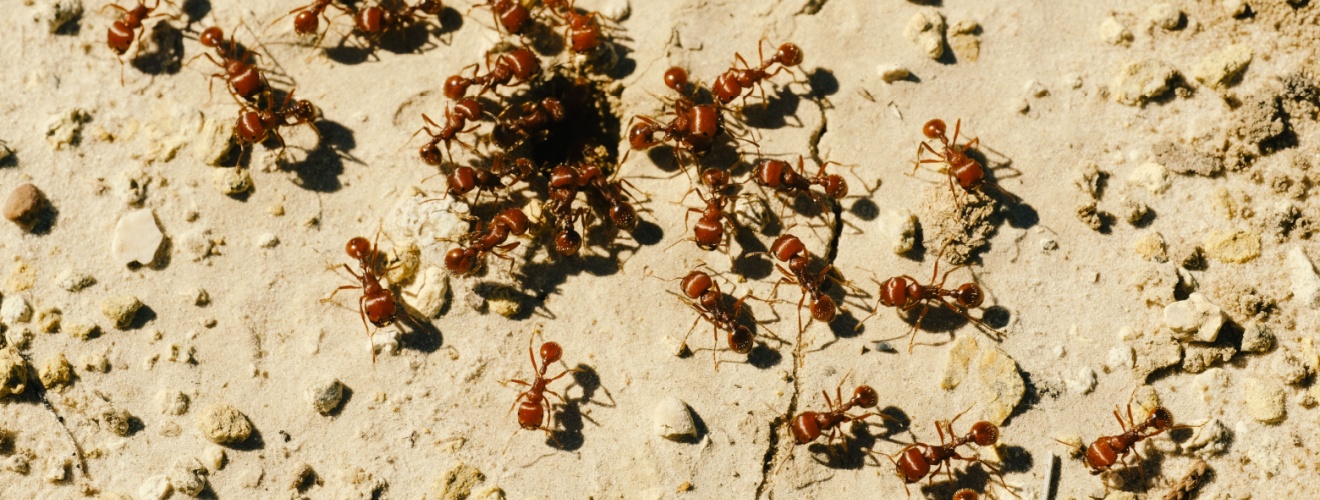
Ants are among the most common pests found in Lake Forest yards. Colonies may establish nests beneath lawns, sidewalks, patios, landscape borders, and play equipment. Children can encounter ants while sitting on grass or playing near a nest. Ants may also gather around dropped snacks, juice, water bottles, and outdoor tables.
Some species build visible mounds, while others nest beneath the surface with little outward evidence. Trails leading across hardscaping or up the foundation may reveal the colony’s location. Keep outdoor eating areas clean and rinse sticky spills. Toys and play equipment should be checked when ant trails begin appearing nearby.
Treating individual ants rarely resolves a large colony. Species identification and nest location are important for effective control.
The Patio and Dining Space: Flies and Wasps
Outdoor meals attract flies and stinging insects. Meat, fruit, sweet drinks, trash, and recycling can provide food within minutes.
Flies may move between garbage, pet waste, decaying material, and eating surfaces. Keeping food covered and cleaning tables promptly reduces the time they have to gather.
Wasps are often attracted to proteins and sugary drinks. Open cans and cups deserve particular attention because a wasp can enter unnoticed.
Nests may be built beneath eaves, inside wall openings, under patio furniture, or within shrubs. Some species also nest in the ground. Do not allow children to approach or disturb a nest. Professional removal is safer when the location is elevated, concealed, or close to a frequently used area.
The Pool and Water Features: Mosquitoes
A maintained swimming pool is less likely to become a mosquito breeding site than stagnant water around the property. Trouble often develops in nearby containers and equipment.
Pool covers, toys, buckets, clogged drains, plant saucers, and unused fountains can hold water. Even a small amount can support mosquito development.
Adult mosquitoes rest in shaded vegetation during the day and become active when conditions are favorable. Dense shrubs around pools and patios can keep them close to family gathering areas. Walk the property weekly and empty standing water. Store toys and containers upside down or under cover. Keep drainage areas open and irrigation adjusted.
Mosquito activity may continue even when a yard is well maintained because they can travel from neighboring properties. Targeted treatment can reduce resting populations around the home.
The Swing Set and Outdoor Furniture: Spiders
Play structures, furniture, storage benches, and umbrellas provide sheltered locations where spiders can build webs. Most spiders prefer to avoid people, but accidental contact can happen when a child reaches beneath a chair, moves a toy, or plays near an undisturbed corner.
Widow spiders deserve additional caution. They may build irregular webs in low, protected spaces such as furniture frames, storage areas, garages, utility equipment, and clutter. Inspect outdoor items before use, especially when they have remained untouched. Wear gloves while moving stored materials and teach children not to reach into concealed spaces.
Regular web removal discourages spiders and eliminates some egg sacs. Controlling the insects they eat is also essential.
The Pet Area: Fleas
Pets can encounter fleas in yards visited by wildlife, stray animals, or untreated pets. Shaded soil and protected resting areas may support immature flea stages. A family may first notice a problem when a pet begins scratching. Bites around human ankles can also occur as activity increases.
Pet bedding, shaded patios, dog houses, and areas beneath decks may require attention. Treating only the pet may leave developing fleas in the environment.
Veterinary care and property treatment often need to work together. Wash pet bedding and vacuum indoor resting areas frequently.
Wildlife activity should also be considered. Opossums, rodents, feral cats, and other animals can introduce fleas to a yard.
The Garden and Fruit Trees: Rodents
Backyard gardens and fruit trees offer food to rats and mice. Fallen citrus, vegetables, nuts, birdseed, compost, and pet food can keep rodents returning.
Roof rats are skilled climbers. They can travel through trees, vines, fences, and overhead lines. Branches touching the roof may give them direct access to an attic.
Rodents usually remain hidden during the day. Families may notice gnawed fruit, droppings, scratching sounds, or movement along fences after dark.
Harvest ripe produce promptly and pick up fallen fruit. Store seed and pet food in durable containers. Keep compost managed and trash lids closed. Removing food sources helps, but structural openings should also be inspected. Rodents can enter homes through surprisingly small gaps.
The Landscaping: Ticks and Other Crawling Pests
Ticks are more likely in areas where wildlife travels or rests. Tall grass, dense ground cover, leaf litter, and property edges near natural areas can increase exposure.
Family members and pets should be checked after spending time in brushy or overgrown spaces. Landscaping should be trimmed around play areas and paths.
Earwigs, beetles, centipedes, and other crawling pests may also gather in damp mulch and leaf debris. They can move onto patios or enter through ground-level doors. Avoid keeping mulch pressed tightly against siding. Remove leaf buildup and unnecessary yard clutter.
The Garage and Storage Area: Cockroaches
Attached garages often contain food, cardboard, moisture, and shelter. Cockroaches may hide behind stored items, beneath appliances, or near drains and utility lines. Pet food, birdseed, and grass seed should not remain in open bags. Cardboard boxes provide hiding spaces and can be difficult to inspect. A worn garage-door seal allows pests to enter from the driveway or landscaping. Check the bottom corners carefully, since small gaps often form where different seals meet.
Reducing clutter makes activity easier to spot and removes places where pests can remain undisturbed.
Building a More Comfortable Backyard
Backyard pest prevention works best when the entire property is considered. Food, water, vegetation, shelter, and access can overlap in the same area. Clean after outdoor meals. Empty standing water. Trim dense plants and remove debris. Inspect play equipment and furniture. Pick up pet waste and fallen fruit. Seal gaps around garages and exterior doors.
Watch for patterns rather than waiting for a large infestation. Repeated ants near a play area, wasps near the patio, or droppings beneath a fruit tree can provide an early warning.
Families should be able to enjoy their outdoor space without constantly watching for unwanted pests. Saddleback Termite and Pest Control provides locally informed solutions for homes throughout Lake Forest and Orange County. To address current activity or set up ongoing protection, request a free estimate from Saddleback Termite and Pest Control.