
Irrigated landscaping helps Orange County homeowners maintain green lawns, attractive flower beds, and healthy shrubs during long periods without rain. That added moisture can also support insects, rodents, and other pests close to the house. Understanding the connection between watering practices and pest activity is an important part of effective residential pest control in Orange County.
A Green Yard Can Become a Pest Oasis
Many household pests need water more urgently than food. When surrounding hillsides and undeveloped areas become dry, regularly watered properties offer a dependable place to survive. Sprinklers and drip systems create moist soil beneath lawns, ground cover, and mulch. Water may also collect inside irrigation boxes, beneath planters, or near poorly drained sections of the yard.
These small pockets of moisture can remain hidden from view. They may support pests for weeks before activity becomes noticeable inside the home. The closer the wet area is to the foundation, the easier it becomes for pests to move from the landscape into garages, kitchens, bathrooms, and wall voids.
Overwatering Encourages Ant Colonies
Ants often establish nests in soil where they have access to moisture without remaining completely saturated. Irrigated planter beds can provide favorable conditions, particularly when mulch or dense vegetation protects the ground from direct sunlight.
When soil becomes too wet, ants may move their colony or begin foraging on higher, drier surfaces. This can send them up foundations, across patios, and into homes.
Irregular watering can also trigger movement. A dry period followed by heavy irrigation changes soil conditions quickly and may disturb colonies. Watch for trails around sprinkler heads, landscape borders, irrigation valves, and the edges of patios. These trails may lead directly toward exterior openings.
Cockroaches Benefit From Damp Outdoor Areas
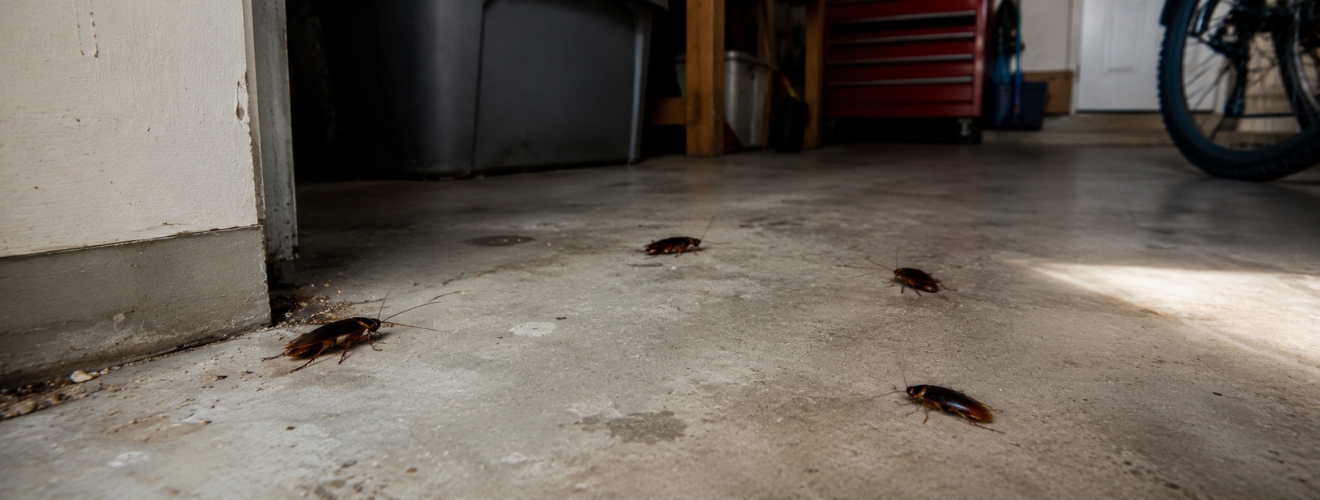
Several types of cockroaches can live outdoors around Orange County properties. They often shelter in damp, protected places such as drains, utility boxes, dense ground cover, leaf debris, and spaces beneath outdoor equipment.
Excess irrigation increases the number of locations where cockroaches can survive. Water that repeatedly reaches the foundation may keep cracks and concealed spaces damp.
Outdoor cockroaches can enter through garages, drains, gaps beneath doors, and openings around plumbing. A homeowner may find one indoors without recognizing the larger population living around the yard.
Reducing excess moisture is especially important near kitchens, utility rooms, and attached garages. These areas often contain additional food and hiding places once cockroaches enter.
Mosquitoes Need Very Little Standing Water
A sprinkler system does not need to create a large puddle to contribute to mosquito activity. Mosquitoes can breed in small collections of water that remain undisturbed.
Common trouble spots include plant saucers, clogged drains, toys, buckets, decorative features, wheelbarrows, and low areas in artificial turf or hardscaping. Irrigation can refill these containers each time the system runs.
Dense plants may also provide shaded resting areas for adult mosquitoes during the day. A yard with both standing water and heavy vegetation can support ongoing activity around patios and play areas. Inspect the yard after watering. Any location that still holds water later should be emptied, repaired, or adjusted.
Earwigs, Millipedes, and Centipedes Gather in Moist Soil
Many occasional invaders thrive in damp organic material. Earwigs, millipedes, centipedes, sowbugs, and similar pests often live beneath mulch, stones, pots, lumber, and leaf litter. They usually remain outdoors, but environmental changes can push them inside. Heavy watering may flood their hiding places, while extreme heat may drive them toward cooler areas.
Homeowners often discover these pests around ground-level doors, bathrooms, laundry rooms, or garages. Their presence can indicate excess moisture around the foundation. Pulling mulch slightly away from siding and removing decomposing debris can reduce shelter. Irrigation should be directed toward plant roots rather than exterior walls.
Spiders Follow the Insects
Irrigation does not directly attract most spiders. It supports the insects that spiders eat.
A well-watered landscape may contain flies, mosquitoes, ants, beetles, and other small prey. Spiders build webs where those insects are easiest to catch, including shrubs, eaves, fences, patio covers, outdoor lights, and doorframes.
An increase in spider webs often points to a broader insect population. Removing the webs provides temporary improvement, but new spiders may return while prey remains abundant.
Reducing insect activity around the yard is one of the most important parts of long-term spider management.
Rodents Use Thick Landscaping for Cover
Irrigation encourages dense plant growth, which can provide hiding places for rats and mice. Ivy, low shrubs, ground cover, and overgrown vines allow rodents to travel without being easily seen by people or predators.
Water from irrigation systems may give rodents another reason to remain on the property. Leaking valves, pet bowls, fountains, and damp drainage areas can serve as reliable water sources.
Rodents may nest beneath vegetation, behind stored materials, or inside retaining walls. From there, they can explore rooflines, garages, vents, and utility openings.
Trim landscaping so the ground remains visible beneath shrubs. Remove branches that touch the roof and cut vines away from exterior walls.
Irrigation Boxes Are Frequently Overlooked
Valve boxes provide darkness, protection, and occasional moisture. Ants, cockroaches, spiders, crickets, and other pests may shelter inside. Because these boxes sit at ground level, pests can enter easily through drainage openings and gaps around pipes. Leaks may go unnoticed beneath the lid. Homeowners should inspect valve boxes periodically. Standing water, insect activity, damaged components, or unusually wet soil may signal a repair is needed.
Avoid applying random pesticide products inside the box. Irrigation components and nearby water movement require careful treatment decisions.
Water Can Damage the Home and Create Entry Points
Repeated moisture against wood, stucco, trim, or foundation materials can contribute to deterioration. Damaged materials may eventually create gaps that pests can use.
Sprinkler heads should not spray directly against the house. Water that repeatedly reaches siding or doorframes can also lead to staining and hidden moisture problems. Check the irrigation system while it is running. A broken head, poor spray pattern, or tilted emitter may be sending water toward the structure.
Correcting these issues helps protect the building while reducing favorable pest conditions.
Smarter Watering Can Reduce Pest Pressure
Homeowners do not need to remove their landscaping to make the yard less attractive to pests. Small adjustments can provide meaningful improvement.
- Water early enough for surfaces to dry during the day. Repair leaks quickly. Adjust sprinklers so water reaches plants instead of patios, fences, and foundations. Clear clogged drains and avoid allowing mulch to remain constantly saturated.
- Drip irrigation should also be inspected. A damaged emitter can release far more water than intended beneath the soil or mulch.
Pest activity is often the result of several conditions working together. Moisture, food, vegetation, and structural openings can turn one section of the property into a dependable habitat. Saddleback Termite and Pest Control can evaluate those conditions and recommend a targeted approach. To arrange an inspection for your Orange County home, contact Saddleback Termite and Pest Control for a free estimate.