
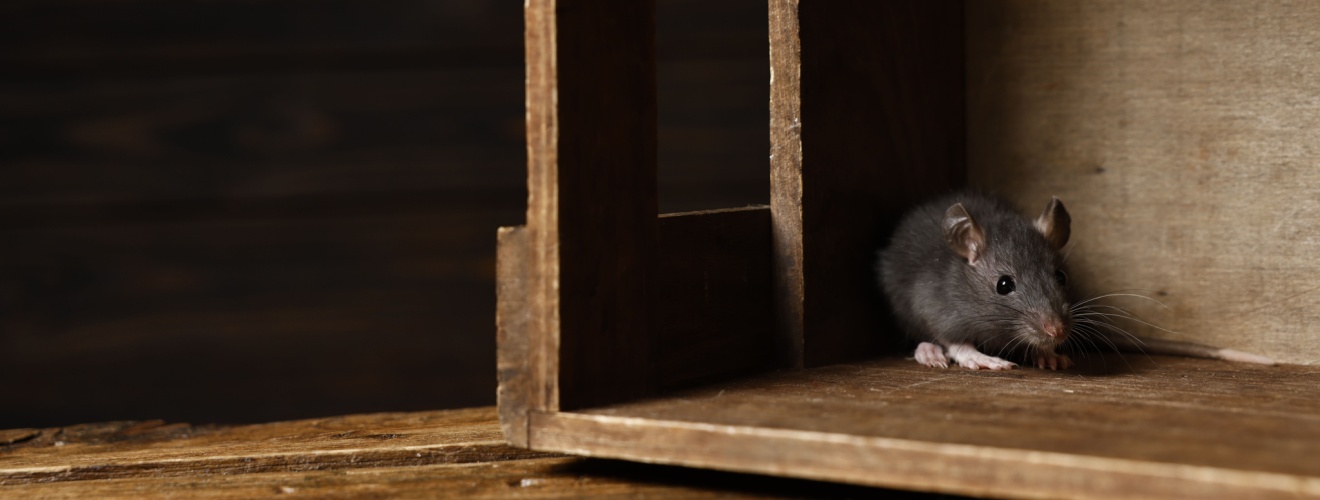
A single rodent may not seem like a serious concern, but infestations grow faster than most expect. Mice and rats breed rapidly, and within a matter of weeks, what started as one sighting can overwhelm an entire household. Recognizing the signs of a rodent infestation in Lake Forest—from late‑night scratching to unexplained electrical damage—gives you the chance to act before the situation escalates. Here are the most common warning signs to watch for in your home.
Strange Sounds After Dark
One of the earliest and most unsettling indicators is scratching noises in walls at night. Because rodents are nocturnal, they become most active when the household is quiet. You might hear them scurrying through attics, crawl spaces, or behind drywall, often sounding like faint scratching, gnawing, or even squeaking. These noises aren’t random—they signal that rodents are nesting, foraging, or moving between hiding spots.
If the sounds grow louder or more frequent, it often means the population is increasing. Larger infestations can produce a chorus of noises, including squeals or thumps, as rodents compete for space. Paying attention to when and where these sounds occur can help pinpoint the areas of your home most affected.
Droppings and Odors
Finding rodent droppings in the home is one of the clearest signs of activity. Mouse droppings are small, dark, and pellet-shaped, while rat droppings are larger and blunt at the ends. Droppings often appear near food sources, along walls, or inside cabinets. In addition to visible waste, rodents leave behind a musky odor caused by urine and pheromones.
Over time, the odor intensifies and can permeate fabrics, insulation, and even HVAC systems. This lingering smell not only signals infestation but also attracts more rodents, as pheromones communicate safe nesting areas to others.
Visible Damage to Property
Rodents gnaw constantly to keep their teeth from overgrowing. This behavior leads to rodent damage to wiring and insulation, chewed furniture, and shredded paper or fabric used for nesting. Insulation damage reduces energy efficiency, while chewed wires pose serious fire hazards.
In severe cases, rodents can compromise structural integrity by chewing through wood framing or drywall. They may also damage stored belongings in garages or attics, leaving behind shredded boxes and contaminated items.
Unusual Pet Behavior
Dogs and cats often detect rodent activity before humans do. If your pet fixates on walls, ceilings, or certain corners of the house, it may be reacting to hidden movement or sounds. Pets may bark, paw, or stare at areas where rodents are active, especially at night.
Some pets may even refuse to enter certain rooms or become agitated without clear cause. These behavioral changes are worth noting, as they often align with rodent hotspots in the home.
Nesting Materials in Hidden Spaces
Rodents build nests from shredded paper, fabric, insulation, or dried plant matter. Discovering these materials tucked into attics, closets, or behind appliances is a strong indicator of infestation. Unlike ordinary clutter, nests are compact, often circular, and usually accompanied by droppings or gnawed food packaging nearby.
Multiple nests often suggest breeding activity, which can quickly escalate into a colony. Because rodents reproduce rapidly, spotting even one nest should prompt immediate action.
Grease Trails and Smudge Marks
As rodents travel the same paths repeatedly, their fur leaves behind oily streaks along walls, floors, and entry points. These grease trails are often overlooked but serve as a roadmap of their activity. Smudge marks near baseboards, door frames, or pipes indicate high‑traffic areas.
Over time, these marks become darker and more pronounced, showing that rodents are using the same routes daily. This evidence is especially useful for pest control professionals when identifying entry points and treatment zones.
Gnawed Food Packaging
Chewed or torn food packaging in pantries or cupboards is another clear sign. Rodents often target grains, cereals, and pet food, leaving behind holes or shredded wrappers. Damaged packaging is usually accompanied by droppings or nesting material nearby.
Beyond contamination, rodents can cause significant food waste, forcing homeowners to discard entire pantries of compromised goods. This not only impacts health but also adds unnecessary expense.
Sudden Electrical Malfunctions
Rodents chewing wiring can cause flickering lights, tripped breakers, or appliances that stop working unexpectedly. These issues aren’t just inconvenient—they’re dangerous. Electrical malfunctions tied to rodent activity can escalate into fire hazards if not addressed quickly.
If electrical problems appear alongside other infestation signs, it’s a strong indicator rodents are damaging your home’s infrastructure. Professional inspection is critical to prevent further hazards.
Unexplained Holes or Entry Points
Rodents are skilled at squeezing through incredibly small openings. If you notice unexplained holes around baseboards, vents, or exterior siding, it may be evidence of rodents chewing their way inside. Even gaps as small as a quarter inch can serve as entryways for mice, while rats can enlarge openings to gain access.
These breaches often appear near utility lines, garage doors, or roof eaves. Left unsealed, they invite repeated infestations, making exclusion as important as removal.
Rat vs. Mouse Infestation Signs
Recognizing whether you’re dealing with rats or mice is critical, because each species requires a slightly different approach to control. While both can cause serious damage, their behaviors, droppings, and nesting habits vary enough that homeowners can often tell them apart with careful observation.
Signs of a Rat Infestation
Rats are larger, more destructive, and often harder to spot directly. They leave behind distinct evidence that points to their presence:
- Droppings: Larger, blunt at the ends, often clustered in specific areas.
- Noise level: Louder movements in attics or walls due to their heavier size.
- Gnawing damage: Strong chewers that leave marks on wood, plastic, and even metal.
- Burrows: Outdoor tunnels near foundations, sheds, or landscaping that serve as entry points.
- Sightings: Less frequent because rats are cautious, but seeing one usually signals a serious infestation.
- Hazards: Their destructive chewing can compromise wiring, insulation, and structural materials.
Because rats are cautious and avoid open spaces, infestations can grow unnoticed until damage becomes severe. Their gnawing habits make them especially dangerous, as they can trigger electrical fires or weaken structural components.
Signs of a Mouse Infestation
Mice are smaller, more curious, and reproduce quickly, which makes them easier to spot but harder to control. Their activity often shows up in subtle ways:
- Droppings: Small, dark, and pointed at the ends, often scattered along travel routes.
- Sounds: Softer scratching noises in walls or ceilings compared to rats.
- Nesting: Build nests from shredded paper, fabric, or insulation in hidden corners.
- Behavior: More curious than rats, often venturing into open areas, making sightings more common.
- Food damage: Chewed packaging in pantries, especially grains, cereals, and pet food.
- Reproduction: Rapid breeding means even a few sightings can indicate a growing colony.
Unlike rats, mice are more likely to be seen during the day, especially near food sources. Their rapid reproduction means that a small problem can escalate quickly, making early detection and professional treatment essential.
Why Rodents Enter Southern California Homes
Even well‑kept homes aren’t immune. Common rodents in Lake Forest homes seek shelter when outdoor conditions change. Warm attics, accessible pantries, and cluttered garages provide ideal nesting spots. Seasonal shifts, construction nearby, or easy access points like gaps under doors explain why rodents enter Southern California homes in the first place.
Another factor is the abundance of food and water sources in residential areas. Pet food left out overnight, fruit trees in backyards, and leaky outdoor faucets all attract rodents looking for sustenance. Once they discover reliable resources, they’re far more likely to settle in and reproduce, making prevention measures like sealing entry points and managing food storage essential for long‑term protection.
Rodent Infestation Treatment in Lake Forest
Spotting the signs of rodents in the house is only the beginning. Once you know they’re active, the challenge becomes stopping the infestation before it spreads. While DIY traps might catch a handful, they rarely address hidden nests or the larger colony behind the scenes.
For reliable rodent control in Lake Forest, CA, Saddleback Termite & Pest Control offers the expertise you need. Our licensed technicians understand the local pest pressures inside and out, providing thorough inspections, targeted treatments, and preventive strategies designed specifically for Orange County homes.
Secure your home with a professional inspection from Saddleback Termite & Pest Control before rodents cause further damage.