
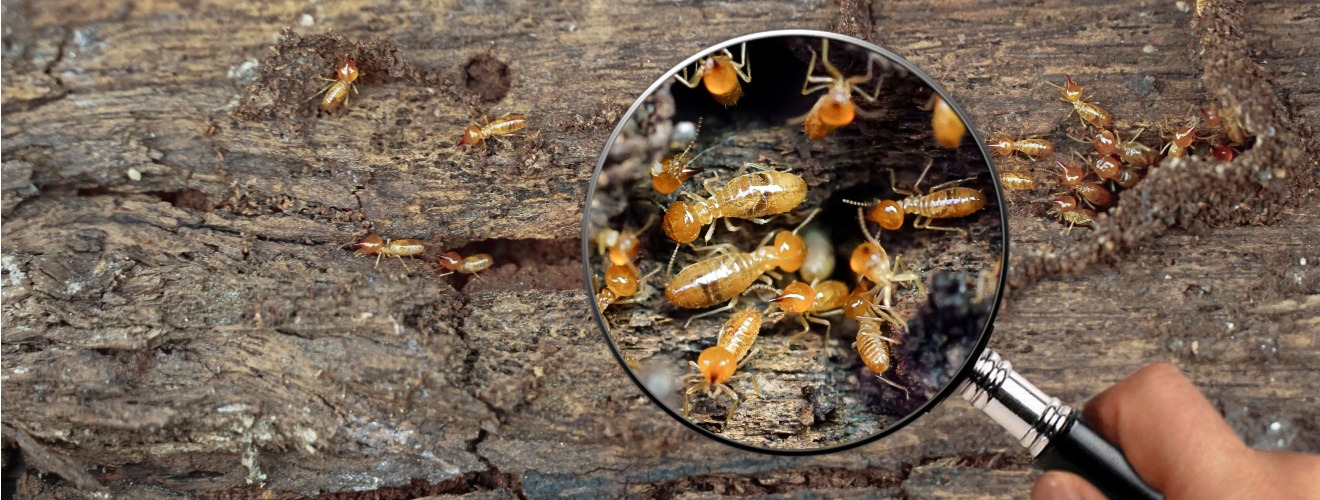
Living in beautiful Orange County comes with many perks — sunny weather, ocean breezes, and scenic neighborhoods. But one hidden downside for homeowners in this region is the constant threat of termites. These silent destroyers can wreak havoc on your home before you even know they’re there. Spotting early signs of termite activity is critical to protecting your biggest investment.
At Saddleback Termite & Pest Control, we’ve helped thousands of homeowners throughout Orange County identify and eliminate termites before the damage becomes irreversible. In this blog, we’ll walk you through how to detect early termite activity, what signs to look for, and when it’s time to call in the pros.
Why Early Detection Matters
Termites cause billions of dollars in property damage each year in the U.S., and insurance typically doesn’t cover it. These pests often go unnoticed for months — or even years — because they operate out of sight, within your walls, flooring, or foundation. Once termite activity becomes visible, significant structural damage may already be done.
The key is vigilance. By learning how to identify the early signs of infestation, you can take action quickly and minimize repairs.
Common Signs of Termite Activity in Orange County Homes
Here are the top indicators that you may have termite activity in or around your property:
- Mud Tubes: Subterranean termites — common in Southern California — build pencil-width mud tubes to travel between their nest and food sources. These tubes are often found along foundation walls, under porches, or in crawl spaces. If you spot them, don’t break them open; instead, contact Saddleback Termite & Pest Control to inspect immediately.
- Discarded Wings: After a swarm, termites shed their wings. These can accumulate near windowsills, doorways, or in spider webs. If you see tiny, scale-like wings, it may be a sign that a termite colony has started nearby.
- Wood That Sounds Hollow: Termites eat wood from the inside out, which can cause it to sound hollow when tapped. Try knocking on baseboards, door frames, and wooden supports. If it sounds unusually empty or soft, you may be hearing the results of hidden termite activity.
- Frass (Termite Droppings): Drywood termites leave behind tiny pellets called frass that look like sawdust or coffee grounds. You may find piles of this near wooden structures, in corners, or along windows.
- Buckling Paint or Bubbling Wallpaper: As termites burrow through walls, they allow moisture to enter, which can cause paint to bubble or wallpaper to warp. These signs are often mistaken for water damage — but termites could be the true culprit.
Risk Factors Unique to Orange County Homes
Orange County’s mild climate is ideal for termites to thrive year-round. Homes with wood siding, older construction, crawl spaces, or poor drainage are at increased risk. Regular inspections are especially important if your property has a history of infestations or nearby vegetation that touches your home’s exterior.
Even newer homes aren’t immune. Termites can sneak in through small cracks in the foundation or be introduced during landscaping or remodeling projects. This is why homeowners across the county trust Saddleback Termite & Pest Control for annual inspections and preventative treatment options.
What to Do If You Suspect Termite Activity
If any of the signs above sound familiar, don’t wait. Termites work fast, and the longer you delay, the more extensive and expensive the damage could be.
Here’s what to do next:
- Don’t Disturb the Area: Avoid DIY treatments. Disturbing the termites might cause them to spread further.
- Schedule a Professional Inspection: Saddleback Termite & Pest Control offers comprehensive inspections by licensed experts who know exactly what to look for.
- Get a Custom Treatment Plan: If termite activity is confirmed, we’ll develop a targeted treatment plan that suits your home and your budget.
Prevent Future Infestations
The best way to handle termites is to prevent them from getting in at all. Here are a few tips:
- Seal cracks in the foundation and walls.
- Eliminate wood-to-soil contact around the foundation.
- Fix leaking pipes and drainage issues.
- Keep firewood and mulch away from your home’s exterior.
- Schedule regular inspections with Saddleback Termite & Pest Control.
With ongoing monitoring and proactive treatment, you can avoid costly repairs and enjoy peace of mind.
Don’t Wait Until It’s Too Late
Spotting termite activity early can mean the difference between a minor repair and major reconstruction. Termites may be silent, but they leave subtle clues — and now you know what to watch for.
Trust the professionals at Saddleback Termite & Pest Control to help keep your home safe, sound, and termite-free. Schedule an inspection today and stay one step ahead of these destructive pests.