
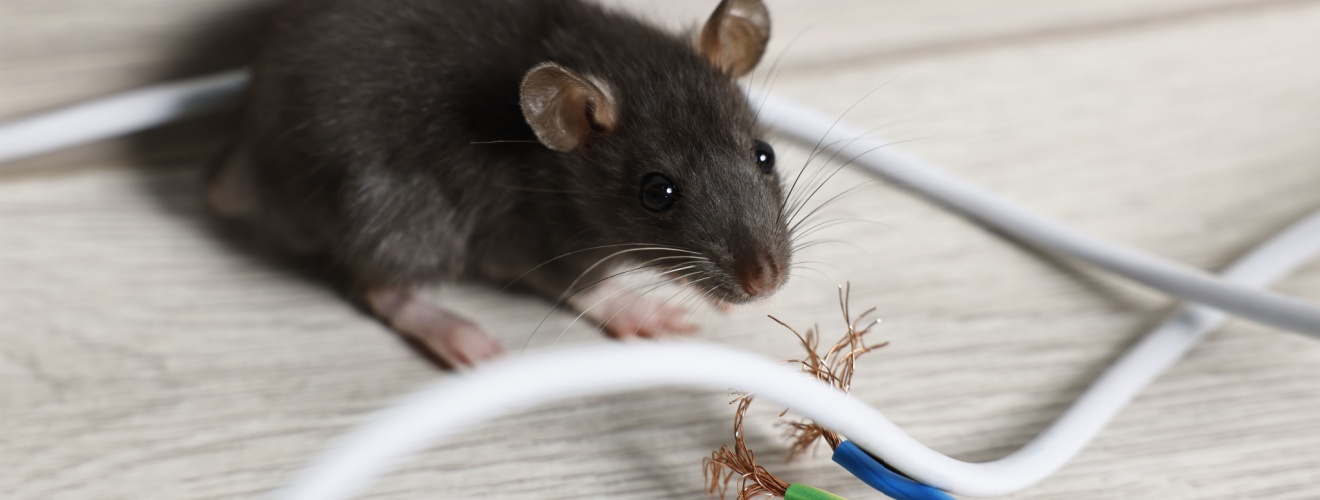
Rodent infestations cause far more damage than most Irvine homeowners realize. Beyond the obvious concerns about droppings, contamination, and the disturbing sounds of rats scratching in your attic, rodents systematically destroy valuable home systems and equipment. Their constant need to gnaw – combined with their attraction to warm, enclosed spaces – leads them to target HVAC components, solar panel wiring, and pool equipment. The resulting damage creates expensive repairs, potential safety hazards, and system failures that often aren’t covered by homeowners insurance. Professional rodent control services protect not just your home’s structure, but also the critical systems that keep your property functional and valuable.
Why Rodents Gnaw on Everything
Understanding why rodents chew on non-food items helps explain the extensive damage they cause. Rodent incisors grow continuously throughout their lives—approximately 4-5 inches per year for rats. Without constant gnawing to wear down these ever-growing teeth, their incisors would eventually prevent the jaw from closing. This biological imperative drives rodents to gnaw on anything available, including materials that provide no nutritional value.
Wire insulation, plastic components, rubber seals, soft metals, and wood all become targets. The texture, resistance, and accessibility of these materials make them ideal for maintaining proper tooth length. Unfortunately, this natural behavior translates to thousands of dollars in damage to home systems.
HVAC System Damage
Your home’s heating, ventilation, and air conditioning system provides multiple targets for destructive rodents:
Insulation Damage Around Ducts and Equipment
Attic insulation surrounding HVAC components becomes nesting material for rodents. They tear up fiberglass or cellulose insulation, compacting it in corners to create nests. The removed insulation reduces the thermal protection for ductwork, making temperature maintenance more difficult. Energy costs increase as the HVAC system works harder to compensate for lost insulation and damaged ductwork.
Wiring to HVAC Components
HVAC systems require electrical connections to thermostats, air handlers, condensers, and other components. Rodents gnaw through this wiring, causing system failures ranging from complete shutdown to intermittent operation. Control wiring damage may prevent communication between the thermostat and HVAC equipment. Power wire damage creates fire hazards as exposed conductors potentially short circuit.
Drain Line Contamination
AC condensate drain lines remove moisture from air conditioning operation. These lines running through attics become rodent highways. Rodents sometimes nest in the drain pan or contaminate it with droppings. They may also chew through PVC drain lines, causing water leaks into ceilings and walls.
Blower Motor and Fan Issues
Rodents accessing air handler cabinets contaminate blower motors and fan assemblies with droppings and urine. The corrosive nature of rodent urine damages electrical components and motor windings. Debris from nesting materials gets pulled into fan blades, causing imbalance, noise, and potential motor failure.
Solar Panel System Damage
Irvine’s abundant sunshine makes solar panel installations increasingly popular. Unfortunately, the space beneath solar panels creates ideal rodent habitat—protected from weather and predators, with easy roof access.
Wiring Destruction
Solar panels connect to each other and to inverters through DC wiring. These wires typically run exposed beneath the panels or through conduit. Rodents readily chew through wire insulation and even the copper conductors themselves. Damaged wiring creates multiple serious problems:
- Power loss: Severed connections prevent electricity generation from affected panels
- System shutdowns: Safety systems detect wiring faults and shut down the entire array
- Fire hazards: Exposed wires and short circuits in DC systems create significant fire risks
- Expensive repairs: Accessing and replacing damaged wiring under solar panels requires partially disassembling the array, creating costly labor charges
Inverter Component Damage
Inverters converting DC power from panels to AC power for home use contain numerous wires, circuit boards, and sensitive electronics. Rodents entering inverter cabinets gnaw on wiring and components, causing failures. Some inverters are mounted in attics or garages—locations rodents easily access. Even outdoor inverters become targets when rodents find gaps in cabinets or conduit entries.
Nesting Beneath Panels
The warm, protected space beneath solar panels attracts nesting rodents. Large nests accumulate beneath arrays, consisting of shredded insulation, paper, and plant material. These nests create additional problems beyond wire damage—they trap moisture against roofing materials, potentially causing roof leaks and wood rot. Accumulated nesting material and droppings block airflow beneath panels, reducing cooling and decreasing panel efficiency.
Pool Equipment Damage
Irvine’s warm climate makes backyard pools common, and the equipment operating these pools attracts destructive rodents.
Pump Motor Wiring
Pool pumps require electrical connections, typically housed in junction boxes or running through conduit. Rodents seeking shelter behind pool equipment or inside equipment pads chew through conduit, wire insulation, and even the wires themselves. Damaged pump wiring causes several issues—pumps fail to operate, GFI breakers trip repeatedly, exposed wiring creates shock hazards, and water infiltration into damaged wiring accelerates corrosion.
Heater Component Damage
Pool heaters contain control boards, sensors, thermostats, and numerous wire connections. Rodents accessing heater cabinets gnaw on wiring and plastic components. They may nest inside unused heaters during off-season months, causing extensive damage discovered only when you attempt to reactivate the system. Heater pilot light and ignition system damage from rodents creates expensive repairs and potential gas leaks.
Automation System Failures
Modern pool automation systems control pumps, heaters, lights, and water features through complex wiring networks. Control panels are typically mounted in garages, covered patios, or equipment enclosures—all locations rodents access. Chewed automation wiring causes system-wide failures, requiring expensive diagnostic work to identify multiple damage locations.
Act Before Damage Occurs
If you haven’t already experienced rodent damage to your Irvine home’s systems, consider yourself fortunate—but don’t assume you’re safe. Rodent populations throughout Orange County continue growing, and your property remains at risk. Professional rodent control protects your expensive home systems before damage occurs, saving thousands in potential repair costs.
If you’ve already discovered chewed wiring, damaged ductwork, or other rodent damage, immediate professional control prevents further destruction while you complete repairs. Contact Saddleback Termite & Pest Control today for comprehensive rodent control that protects your Irvine home’s valuable systems and equipment.