
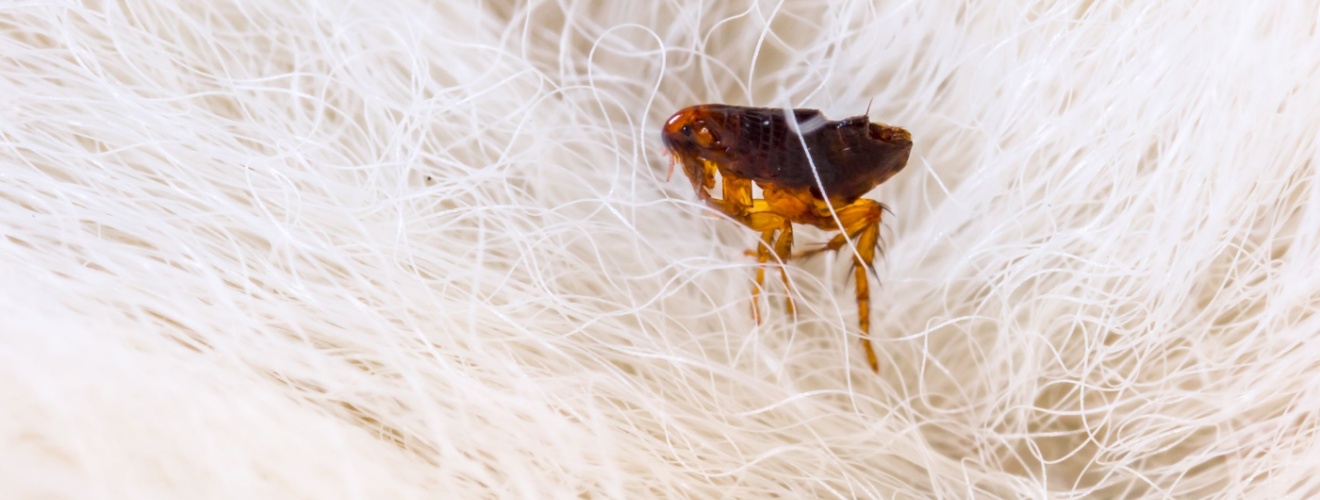
Fleas are often thought of as an “outdoor problem,” but Orange County homeowners quickly learn that even pets who never step outside can suffer from infestations. Cats lounging on windowsills and dogs curled up on the couch aren’t immune. Fleas are resourceful hitchhikers, and once they find a way inside, they can thrive in carpets, furniture, and hidden corners of your home.
When People Become the Carriers
Fleas don’t always hitch a ride on pets themselves. In many cases, people unknowingly act as the carriers. Shoes, socks, and pant legs can pick up fleas from grassy areas, sidewalks, or even office carpets. Once inside, those pests jump off and immediately begin searching for a host. This explains why pets that never leave the house can still end up with infestations.
Visitors add another layer of risk. A friend with a dog or cat may not realize their pet has a minor flea problem, yet fleas can cling to clothing or bags and transfer into your home. Even delivery workers or contractors who move between multiple environments can inadvertently bring fleas indoors. The transfer is subtle, but once it happens, the pests spread quickly.
To illustrate how easily this occurs, here are some common ways fleas ride in through human activity:
- Shoes picking up fleas after walking through grass or soil
- Clothing fibers holding onto pests from public spaces
- Bags or backpacks acting as transport from one home to another
- Visitors with pets unknowingly carrying fleas indoors
- Delivery workers moving between multiple properties in a day
- Contractors or service providers bringing fleas from garages, attics, or outdoor work areas
Even brief exposure is enough. Fleas are agile jumpers, and they don’t need prolonged contact to spread. A visitor sitting on your couch or setting down a bag can be all it takes for fleas to move into your living space and onto your pets.
Wildlife and Rodents as Hidden Messengers
Orange County neighborhoods often deal with wildlife such as raccoons, opossums, and stray cats, along with rodents like mice and rats. These animals are common carriers of fleas, and when they enter attics, crawl spaces, or garages, they bring parasites with them. Even if your pets never interact with wildlife directly, the fleas can spread indoors.
Rodents are particularly problematic because they often nest in hidden areas of a home. Fleas living on these animals can easily migrate into living spaces, where they find pets resting on couches, rugs, or beds. This indirect exposure is one of the most overlooked causes of indoor infestations.
The challenge is that wildlife and rodents are persistent. They exploit small openings, and once they establish themselves, they create a steady source of fleas. That ongoing presence explains why infestations can continue even when pets remain strictly indoors.
Household Surfaces That Harbor Flea Life Stages
Fleas don’t just live on animals; their eggs and larvae thrive in carpets, rugs, and upholstered furniture. These surfaces provide warmth and shelter, allowing the pests to develop unnoticed. Pets lying on these areas can pick up new infestations even if they never leave the house.
Vacuuming helps, but it rarely eliminates every egg or larva. Fleas burrow deep into fibers, making them difficult to remove without professional treatment. This is why infestations often seem to “reappear” after a short break—they were never fully gone.
To understand how household surfaces contribute to the cycle, consider these common hiding spots:
- Carpets and rugs where eggs settle deep into fibers
- Upholstered furniture providing warmth and shelter for larvae
- Pet bedding offering constant access to a food source
- Curtains and fabric surfaces that trap flea eggs unnoticed
- Cracks in flooring where larvae hide until mature
- Blankets and cushions that pets use daily, keeping the cycle alive
Furniture and pet bedding are especially vulnerable. Because pets spend so much time resting in these spots, fleas have constant access to a food source. That cycle of feeding, laying eggs, and hatching continues indoors, keeping the problem alive.
Openings That Invite Pests Inside
Small cracks near doors, gaps in window screens, or vents give fleas the access they need. They don’t require much space to slip inside, and once they do, they settle into hidden areas and multiply quickly. Pets end up exposed simply by living in the same environment.
Homes in Orange County often have layouts that include patios, sliding doors, or older window frames. These features make it easier for pests to enter unnoticed. Even well‑sealed homes can have vulnerabilities that allow fleas to sneak in.
Once inside, fleas spread rapidly. They move from one room to another, hiding in corners and crevices. Indoor pets don’t have to step outside to encounter them—the pests are already sharing the same living space.
How Indoor Pets in Orange County Can Be Protected from Fleas
Fleas inside the home don’t fade quietly—they multiply in silence until the problem feels overwhelming. Eggs buried in carpets, larvae tucked into furniture seams, and adults feeding on pets create a cycle that simple cleaning can’t break. That’s why infestations in Orange County homes often return again and again, no matter how careful you are.
Preventive steps like vacuuming, sealing entry points, and washing bedding help, but they rarely stop fleas completely. Warm Southern California weather keeps them active year‑round, and even a handful of survivors can repopulate an entire home. Once fleas establish themselves indoors, prevention alone isn’t enough—they demand a full treatment plan that reaches every stage of their life cycle.
If your pets are scratching, if you’ve spotted tiny jumpers in the carpet, or if you’re tired of fighting the same battle over and over, it’s time to act decisively. Reach out to Saddleback Termite & Pest Control for expert residential flea treatment in Orange County and reclaim a home where your pets can finally rest without the constant irritation of fleas.