
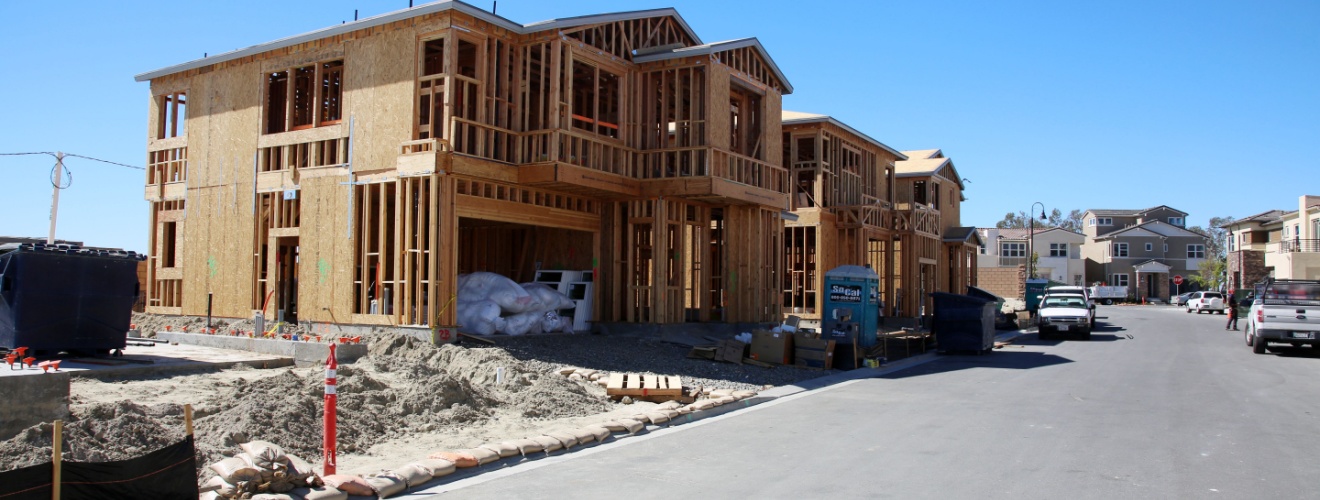
A newly built home can still experience ants, spiders, rodents, cockroaches, and termites. Construction changes the surrounding soil and vegetation, while new irrigation and landscaping create fresh sources of water and shelter. Small openings may also remain around pipes, vents, doors, and rooflines. Proactive pest control in Lake Forest can help new homeowners identify these conditions before pests become established.
The Direct Answer
New construction communities can experience increased pest pressure during active development and the first few years after completion. The age of the home does not determine whether pests will appear. Location, landscaping, nearby construction, moisture, building access points, and pest activity throughout the neighborhood have a greater influence.
Lake Forest developments may also combine homes with trails, parks, landscaped common areas, and preserved open space. For example, the city’s Portola Center plans include hundreds of homes, public and private parks, trails, and more than 44 acres of open space connected to Whiting Ranch. These features add value to a community. They can also place residential landscaping and structures close to areas where insects and rodents naturally live.
1. Construction Disturbs Existing Pest Habitat
Before development begins, insects and rodents may already live in the soil, vegetation, rock piles, trees, and drainage areas.
Grading, excavation, trenching, and vegetation removal disrupt these locations. Pests must find another source of food, water, or shelter.
Movement may continue throughout the construction process. Work on a neighboring phase can affect homes that have already been completed and occupied.
Homeowners might notice:
- Ant trails appearing after grading nearby
- Spiders gathering around fences and garages
- Rodents moving along the edge of construction zones
- Beetles or other insects entering ground-level rooms
- Wasps exploring new rooflines and patio structures
The activity may be temporary, but pests can remain when they find suitable conditions around the home.
2. New Landscaping Creates Moisture
Fresh landscaping typically requires frequent watering while lawns, trees, and shrubs become established. Moist soil can attract ants, earwigs, cockroaches, millipedes, and other crawling pests. Irrigation boxes provide additional shelter, especially when valves leak or water collects beneath the lid. Mulch helps new plants retain moisture. It also gives insects a protected area close to the soil.
Problems are more likely when sprinklers spray directly against the structure or planter beds remain constantly saturated beside the foundation. Watch the irrigation system while it is running. Look for broken emitters, uneven spray patterns, puddles, and water reaching stucco, trim, or exterior doors.
3. Building Materials Offer Temporary Hiding Places
Construction sites contain lumber, cardboard, pallets, pipes, insulation, and other stored materials. These items may remain on or near the property before the home is completed.
Spiders, ants, cockroaches, rodents, and termites can use materials for shelter. Pests may also be transported in boxes or supplies.
Most materials are removed before move-in. A few pests can remain in wall voids, attic areas, garages, or landscaping.
Moving boxes add another layer of shelter once the homeowner arrives. Cardboard may be stored in a garage for weeks while the household gets organized.
Unpack promptly and remove unnecessary boxes. Pantry items, pet food, and seed should be placed in sealed containers instead of remaining in bags or moving cartons.
4. Small Construction Gaps Can Still Occur
A well-built home includes many points where different materials and systems meet. Plumbing, electrical wiring, air-conditioning lines, cable service, vents, doors, windows, and roofing all create transitions.
Pests need very little space. Ants and cockroaches can use narrow cracks. Mice can enter through surprisingly small structural gaps.
Common areas to inspect include:
- Openings beneath exterior doors
- Garage-door corners
- Pipe penetrations beneath sinks
- Air-conditioning line openings
- Attic and roof vents
- Gaps around cable or electrical service
- Weep screeds and exterior trim
- Spaces where roof sections meet
Sealants can also shrink or separate as materials respond to weather. A home that appeared tightly sealed at move-in may develop small openings during the first several years.
5. Neighboring Homes Affect Pest Activity
Pests move across property lines. A clean, well-maintained home can experience activity originating in a neighboring yard, common area, or unfinished lot.
Ant colonies may extend beneath several properties. Rodents can travel along shared fences. Cockroaches may use utility corridors and drainage systems.
Construction dumpsters and food waste from work crews can also support pests temporarily. When those resources disappear, pests may begin exploring occupied homes.
Community-wide sanitation and landscaping practices matter. Report irrigation leaks, damaged trash areas, and heavy pest activity in shared spaces to the appropriate property manager or homeowners association.
6. Drainage Systems Can Become Pest Corridors
New developments include storm drains, utility infrastructure, retention areas, and landscaped drainage features.
These systems manage water and protect the community. Damp or protected sections can also support cockroaches, mosquitoes, rodents, and other pests.
A homeowner may notice activity near a drain even when the interior of the home remains clean. Pests can then travel from that area toward garages, patios, or ground-level doors.
Keep private drainage areas clear of leaves and debris. Report standing water or damaged infrastructure in common spaces.
7. New Homes Can Still Face Termites
New lumber and modern construction do not eliminate termite risk. Orange County’s climate supports termite activity, and termites can reach structures from the soil or through swarming reproductive insects.
Subterranean termites live in the ground and can travel toward suitable wood. Drywood termites can begin a colony inside accessible wood without requiring contact with soil.
Homeowners should understand whether the builder provided pretreatment, warranties, or termite documentation. Those records can be helpful, but regular inspections remain important.
Watch for discarded wings, mud tubes, damaged wood, blistered surfaces, or small pellets near woodwork.
What to Check Before and After Moving In
A simple inspection can identify many pest-conducive conditions.
Before move-in, check door sweeps, garage seals, screens, vents, and utility penetrations. Ask about termite treatment records and any pest activity noticed during construction.
After move-in, monitor irrigation, reduce cardboard storage, and keep food sealed. Inspect the garage and exterior regularly during the first year.
Pay special attention when construction begins on a nearby phase. New pest movement can occur even after your section of the community has been occupied for months.
When Professional Service Is Helpful
Repeated pest sightings can indicate a condition that is difficult to locate without experience. A technician can distinguish between a pest that wandered inside and a population established around the property.
Professional treatment may include targeted applications, baiting, entry-point identification, web removal, or recommendations for moisture and landscaping changes.
New homes benefit from prevention because pest activity can be addressed before colonies and nesting sites become difficult to reach. Saddleback Termite and Pest Control serves new and established communities throughout Lake Forest. To arrange an inspection for your property, contact Saddleback Termite and Pest Control and request a free estimate.