
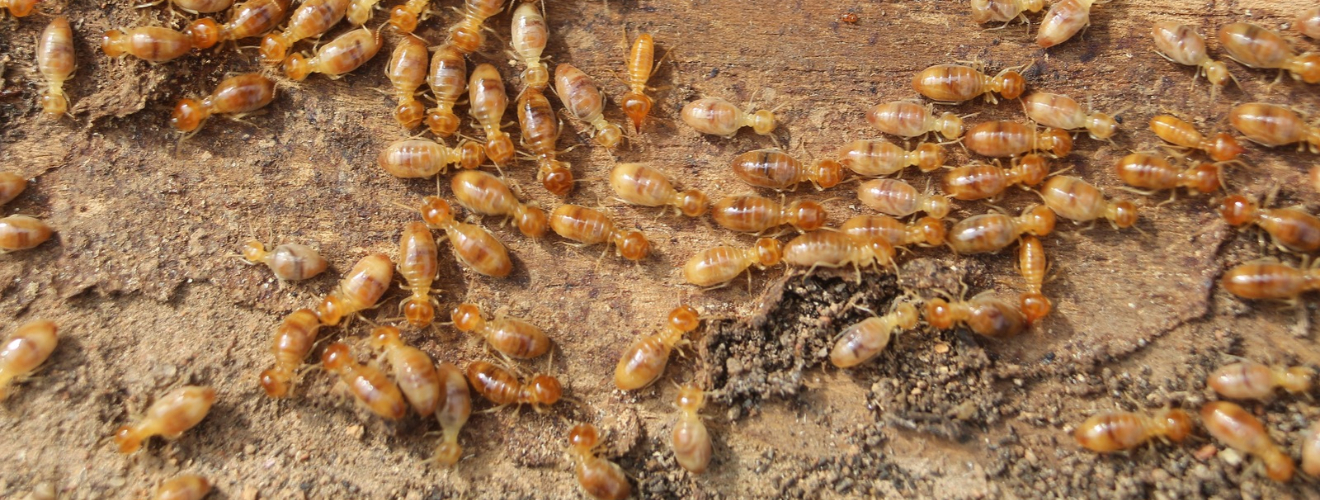
Winter can be a suitable time for termite fumigation in Orange County when an inspection shows that it is appropriate and weather allows the work to proceed safely. The decision depends on the termite species, extent of infestation, and the home’s conditions. At Saddleback Termite & Pest Control, our structural fumigation services give you an option to discuss when drywood termites require treatment throughout a structure.
A winter opening in your household calendar can make planning easier, but timing should follow the findings. We can help you understand why fumigation is being considered and what you would need to arrange before scheduling it.
Confirm Which Termites Are Present
Structural fumigation is commonly used for drywood termites because it can reach insects in concealed wood throughout an enclosed structure. A drywood infestation may be difficult to assess fully when colonies occupy inaccessible areas. The inspection helps establish whether a whole-structure approach is appropriate.
Subterranean termites have a different relationship with the soil and typically require different treatment strategies. A fumigation aimed at termites inside wood does not provide ongoing protection from colonies outside the structure. Identifying the type of termite is therefore essential before choosing a treatment.
If you have found pellets, discarded wings, or damaged wood, leave a small sample or photograph for identification. Those signs help guide the inspection, although their location and condition need interpretation. We also consider previous treatment records when you have them.
Winter Weather Affects Scheduling
Orange County winters are generally mild compared with colder regions, but rain and wind can still affect a fumigation project. The crew must be able to prepare, enclose, treat, and aerate the structure under suitable conditions. An unsafe forecast may require a schedule change.
Temperature can also affect the fumigation requirements. A licensed fumigation professional determines the treatment conditions and required exposure using the applicable product directions and procedures. You should receive the specific plan for your property rather than relying on a general calendar estimate.
Build flexibility into lodging and other arrangements when possible. Ask how weather decisions will be communicated and when you will receive updates. A backup plan is useful if the start date changes after you have begun preparing the house.
Understand the Time Away From Home
Everyone must leave the structure during fumigation, including pets. Reentry can occur only after the required aeration and clearance procedures have been completed and the responsible professional authorizes it. Follow the actual instructions for your project rather than assuming a standard number of nights applies to every home.
Plan for medications, school or work supplies, pet needs, and anything you will use while away. Retrieve these items before the property is secured. You will have restricted access during the process, so a forgotten charger or document can become an avoidable inconvenience.
Tell us about attached spaces, shared construction, or access arrangements that may affect planning. A condominium or connected structure may require coordination beyond a single household. We need to assess those features before confirming the treatment approach and schedule.
Follow the Written Preparation Instructions
Food and Personal Items
The preparation requirements depend on the fumigant and the items involved. You may need to remove or protect certain foods, medicines, and other consumables using the specified materials. Follow the supplied written list and ask about anything unclear before treatment day.
Avoid substituting ordinary bags or containers for materials the fumigation instructions require. Keep a record of items you remove so you can return them afterward. Preparing one room at a time can help your household avoid missing supplies in a pantry or secondary refrigerator.
Access and Exterior Preparation
The crew may need access around the structure and through particular interior areas. Landscaping, attached items, and stored belongings can affect how the building is enclosed. Ask what should be moved and which tasks the crew will handle.
Utility and appliance arrangements also need to follow the project instructions. Use the responsible provider or qualified professional for any required work. Homeowners should avoid improvising around gas, electrical, or other service connections.
Ask What Happens After Clearance
Fumigation addresses the targeted infestation at the time of treatment. Future inspections and maintenance remain useful because another infestation can develop later. Ask which signs to watch for and how previous pellets or damage should be documented so later findings can be interpreted correctly.
Existing wood damage also needs a separate decision. Killing termites does not restore the strength or appearance of damaged materials. If the inspection identifies affected trim, framing, or exterior wood, discuss the repair scope and appropriate sequence with us.
Keep the treatment paperwork with your home records. Documentation of the treated structure, dates, and recommendations can help during future inspections or a real estate transaction. Confirm any questions about the report before filing it away.
Choose a Date After Reviewing the Findings
Winter can work well when your household can prepare and suitable conditions are available. The best appointment is one supported by a clear diagnosis, a practical preparation plan, and enough flexibility for weather or access issues.
If you are considering treatment this winter, contact Saddleback to discuss fumigation for your Orange County home. We can inspect the concern, explain whether fumigation fits the findings, and help you plan the steps required before anyone leaves the house.