
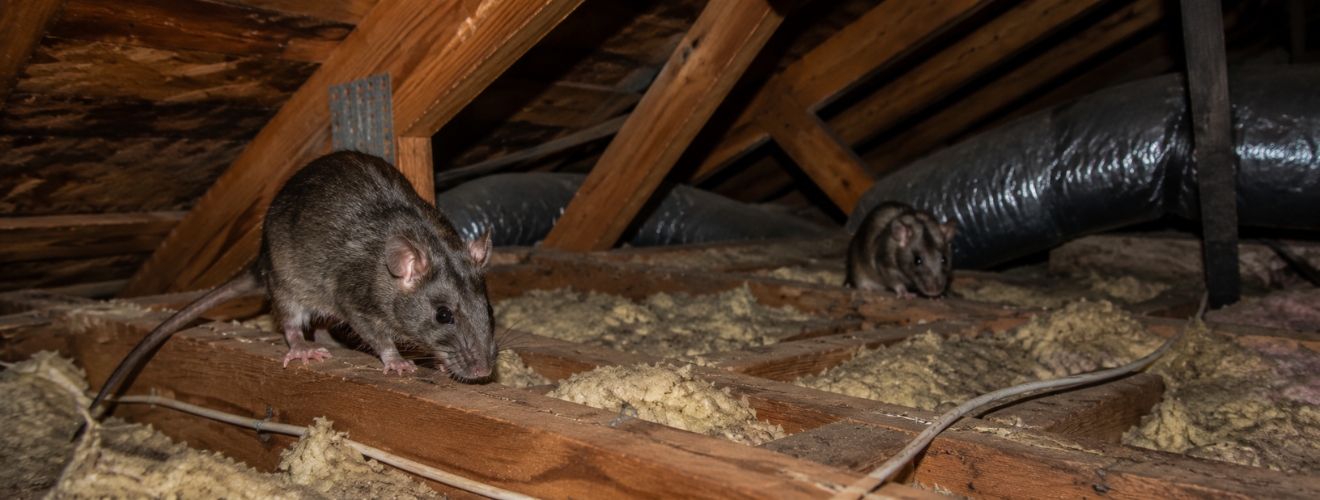
Lake Forest winters stay mild enough for many pests to remain active, and homes provide protected places for species that slow down during cooler weather. Attics, wall voids, garages, crawl spaces, siding gaps, and storage areas can hold pests for weeks or months. A preventive Lake Forest pest control plan can reduce fall entry and address the insects and rodents already using the structure.
What Overwintering Means Around a Southern California Home
Overwintering describes the way an insect or animal survives the winter season. Some pests stay active and continue searching for food. Some become less active inside a protected hiding place. Others survive as eggs, larvae, pupae, or sheltered adults.
Lake Forest homes create stable conditions that support each of these strategies. Indoor heat protects pests from cold nights. Irrigated landscaping supplies moisture. Garages and attics offer quiet shelter. Wall voids reduce exposure to wind, rain, and predators.
The first signs may appear during fall as pests look for access. Additional activity can surface on a warm winter afternoon when insects hidden inside walls become active and move toward windows or indoor lights.
Roof Rats and Mice Remain Active All Winter
Rodents do not enter a dormant stage. They feed, travel, nest, and reproduce throughout the year when resources are available.
Roof rats are especially relevant in Orange County. They frequently use fences and utility lines as travel routes and feed on birdseed, pet food, fruits, and nuts found around homes.
Attics are common nesting locations because roof rats climb well and prefer elevated shelter. Mice may use garages, lower wall voids, cabinets, sheds, and storage areas. Both can enter through small structural openings.
Winter rodent signs include scratching after dark, droppings, damaged food packaging, gnawed fruit, shredded insulation, and greasy marks along repeated routes. Homeowners may hear activity for several nights before finding visible evidence.
Prevention should begin outdoors. Harvest fruit, secure food, trim branches away from the roof, repair vents, and inspect garage seals. Active entry points require careful handling so rodents are not sealed inside the home.
Argentine Ants Shift Their Trails
Argentine ants are the most common ant found around California homes and gardens. Their colonies can include many workers, multiple queens, and connected nesting areas.
Cooler weather can reduce visible foraging in exposed areas. Colony activity continues in protected soil, irrigated landscaping, wall voids, and other stable locations. Winter rain can saturate outdoor nesting sites and send ants toward foundations, patios, and interior rooms.
Ants frequently appear near sinks, tubs, dishwashers, pet bowls, and plumbing lines. A short indoor trail may connect to a much larger colony outside.
Clean the visible trail and watch where new workers emerge. Repair leaks, adjust irrigation, trim plants away from the house, and seal openings around windows, doors, and utility lines. General surface spraying may redirect trails without reaching the colony.
Cockroaches Use Moist, Protected Areas
Orange County has several cockroach species with different habits. German cockroaches live and reproduce indoors. American, oriental, and other outdoor-associated cockroaches may enter from drains, landscaping, utility areas, or garages.
Winter rain can change where outdoor cockroaches shelter. Damp leaf litter, irrigation boxes, drains, mulch, and crawl spaces offer moisture and protection. Flooded hiding places can also push them toward higher or drier parts of a structure.
German cockroaches remain active around kitchens and bathrooms where warmth, food, and water are available. Small droppings, egg cases, shed skins, and daytime sightings can indicate an established indoor population.
Control depends on correct identification. Sanitation, moisture repair, monitoring, baiting, crack-and-crevice treatment, and exclusion may all play a role. Spraying open floors and counters rarely reaches the protected spaces where cockroaches spend most of their time.
Spiders Follow Winter Insect Activity
Spiders often settle where prey is available. Outdoor lights, eaves, garages, windows, storage areas, and irrigated vegetation can support the insects they eat.
Some spiders stay near a web. Wandering spiders may enter through door gaps, damaged screens, vents, and utility openings. Garages provide shelter and a supply of crickets, flies, moths, and other insects.
UC Integrated Pest Management recommends focusing spider control on web removal and reducing hiding places. Regular sweeping, vacuuming, and clutter reduction can remove spiders, egg sacs, and sheltered areas.
Wear gloves when moving stored items and inspect the undersides of outdoor furniture, planters, and equipment. Black widows prefer protected areas with limited disturbance and deserve additional caution.
Stink Bugs and Boxelder Bugs Seek Hidden Shelter
Stink bugs and boxelder bugs may gather on sunny exterior walls as temperatures change. Gaps around siding, windows, doors, rooflines, and vents can lead into wall voids and attics.
These insects may remain hidden for long periods. Warm winter sunlight can wake them and draw them toward interior windows. Homeowners may then see insects in bedrooms or living areas long after the fall entry period ended.
Brown marmorated stink bugs seek protected overwintering sites inside buildings. UC IPM notes that they do not reproduce or damage structures while indoors. Boxelder bugs also use protected cracks and debris near homes as winter shelter. Removing nearby leaf piles, boards, and other hiding materials can reduce gathering areas.
Vacuum visible insects instead of crushing them on walls or fabrics. Exterior sealing provides the strongest prevention when it is completed before large groups move inside.
Wasps Can Survive in Protected Locations
Most workers in a seasonal wasp colony die as conditions change. Fertilized queens can survive winter in sheltered places and begin new nests when temperatures rise.
Possible hiding sites include wall gaps, roof voids, sheds, garages, tree bark, and outdoor storage. A queen that appears indoors during winter may have entered the structure during fall.
Homeowners may also find an inactive seasonal nest beneath an eave or patio cover. Old exposed nests are generally not reused, though the same protected area may attract new nest building later.
Seal access points and remove clutter where queens can remain undisturbed. Repeated wasp activity entering a wall or roof opening should be evaluated before that opening is closed.
Pantry Pests and Fabric Pests Stay Indoors
Stored products can also introduce winter pest problems. Pantry beetles and moths can develop inside flour, grains, cereal, nuts, pet food, birdseed, and other dry goods.
Carpet beetles can feed on animal-based materials, lint, hair, dead insects, and certain stored fabrics. Larvae may remain hidden along baseboards, beneath furniture, inside closets, or near attic insect remains.
Inspect packages before placing them in the pantry. Store vulnerable foods in sealed containers and clean spilled material from shelves and floor edges. Vacuum closets, storage rooms, and low-traffic areas regularly.
Discard heavily infested food in a sealed outdoor trash container. Check neighboring products because insects can move between packages.
Where to Inspect Before Winter
A focused fall inspection can reveal the conditions overwintering pests use. Check:
- Attic vents, soffits, and roof intersections
- Garage-door corners and side seals
- Window screens and exterior door sweeps
- Utility openings for plumbing, cable, and air conditioning
- Irrigation boxes and damp planter beds
- Firewood, cardboard, and storage near exterior walls
- Leaf buildup beneath shrubs, decks, and patio furniture
- Kitchen, bathroom, and laundry plumbing
- Pantry shelves and pet-food storage
- Closets, garages, and other low-disturbance rooms
Look for droppings, egg cases, webs, shed skins, gnaw marks, insect clusters, moisture, and damaged sealant.
Plan Winter Protection During Fall
The most effective timing depends on the pest and the location of the activity. Exterior entry prevention works best before insects settle inside wall voids. Rodent exclusion should follow an inspection that confirms where animals are entering and whether they remain inside. Indoor cockroach and pantry pest problems require direct attention to the established population.
Saddleback Termite and Pest Control understands the seasonal pest patterns affecting Lake Forest homes. A professional inspection can identify current activity, hidden entry points, and property conditions that allow pests to survive indoors. To prepare your home for cooler weather and reduce winter sightings, request a free estimate from Saddleback Termite and Pest Control.